Item 1 of 1
Properties
Properties of the Stone
Additional Names
Marmor Claudianum, Granito del Foro
Color
Grey+Black+White
Scientific Classification
Tonalite
Commercial Classification
Granite
Quarry Site
Wadi Fatiri el-Bayda-Egypt
Quarry State
Inactive
Quarry Site and Nomenclature
Claudianus Granite, quarried at Mons Claudianus in the Wadi Fatiri el-Bayda region of Egypt, is classified as a magmatic rock of the ‘Tonalite’ type. Named ‘Marmor Claudianum’ in honor of Emperor Claudius during the Roman Empire, and after its prominent use in the Roman forum, Italian stonemasons later referred to it as ‘Granito del Foro.’
Technical Characteristics
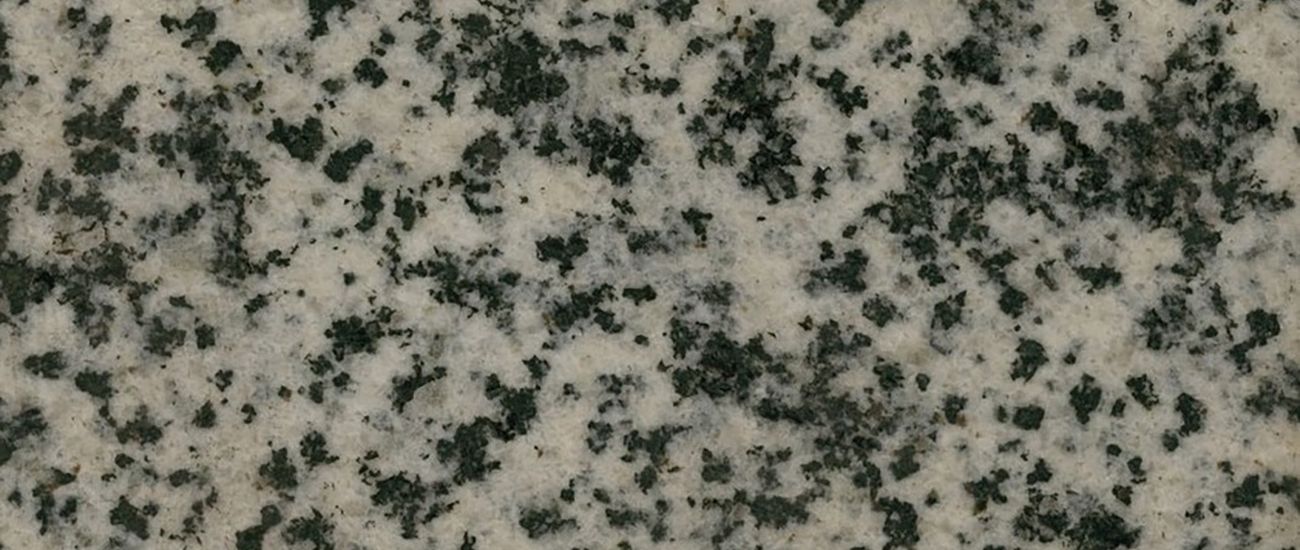
A medium-grained granite, this stone displays a speckled pattern of light gray and greenish-black, featuring prominent streaks of dark minerals. This granite was prized for its unique colors and patterns, making it highly valuable in architectural structures and monumental works.
Use in Roman and Ottoman Architecture
It was frequently chosen for application in historic Roman architecture and other significant ancient monuments. In Istanbul, Claudianus Granite can be seen in the large central disk of the Omphalion in Hagia Sophia and the small disk in the courtyard flooring of the Bayezid Mosque.
_276x160.jpg)