Item 1 of 2
Properties
Properties of the Stone
Additional Names
Hexecontalithos, Breccia Verde d'Egitto
Color
Green
Scientific Classification
Metaconglomerate
Commercial Classification
Marble
Quarry Site
Wadi Hammamat -Egypt
Quarry State
Active
Quarry Site and Nomenclature
Egyptian Puddingstone was quarried in ancient Egyptian times and until the 3rd century AD in the Wadi Hammamat region of the Eastern Desert of Egypt.
During the Roman Empire, this stone was known as ‘Hecantontalithos’ (son of a hundred stones), and Italian stonemasons referred to it as ‘Breccia Verde d’Egitto.’
Technical Characteristics
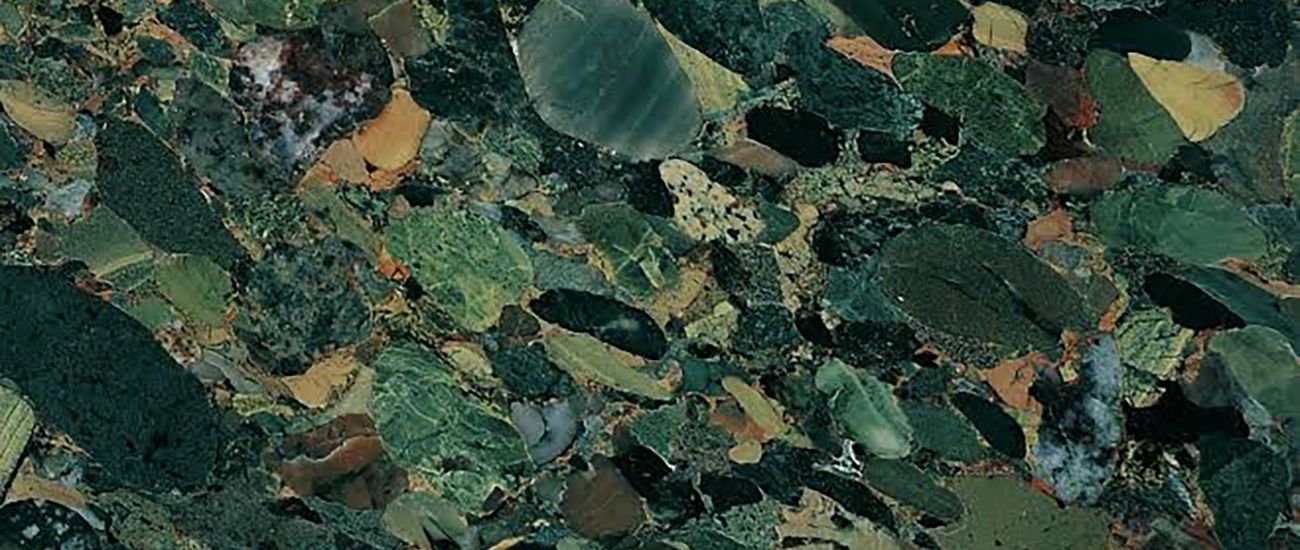
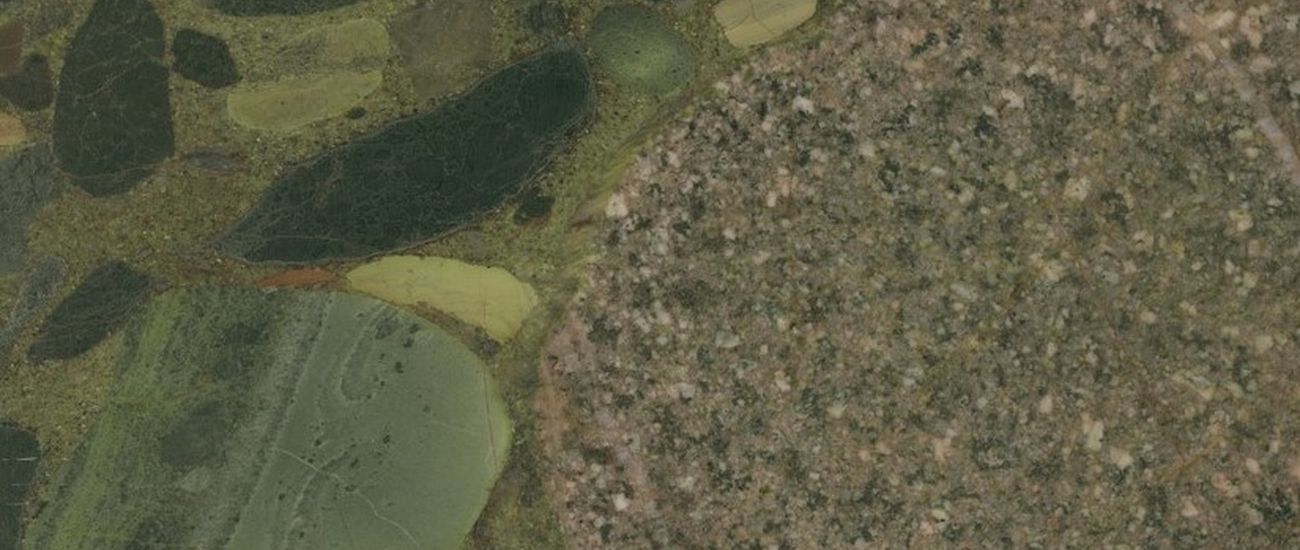
Classified as a ‘Meta-Conglomerate’ or ‘Puddingstone,’ this metamorphic rock is characterized by its gravel-sized clasts, which are primarily composed of granite, tuff, sandstone, and siltstone.
The small column located in the outer garden wall of the Şehzade Mosque, known as the central point of Old Istanbul, is thought to be made from this natural stone.
Historical Buildings
Buildings using this stone
_276x160.jpg)
Item 1 of 1