_1400x600.jpeg)
_1400x600.jpeg)
_1400x600.jpeg)
Item 1 of 3
Properties
Properties of the Building
Architect(s)
Spitta, Schoele, Carlitzik, Joseph Antony
Construction Start
1899
Construction Completion
27 January 1901
The German Fountain is located in Sultanahmet at the northern end of the ancient Hippodrome in front of the Tomb of Sultan Ahmed I. Constructed as a symbol of Turkish-German friendship following the visit of Kaiser Wilhelm II of Prussia in 1898, the fountain’s design was developed on a pattern under Wilhelm II’s guidance. The fountain was inaugurated on 27 January 1901, Wilhelm II's birthday.
Architects
The architect Spitta drew up the plans and the architect Schoele oversaw the construction. The German architect Carlitzik and the Italian architect Joseph Antony also contributed to fountain's design.
Construction Method
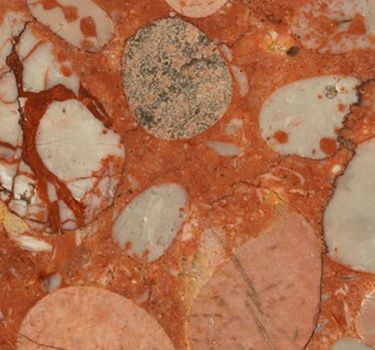
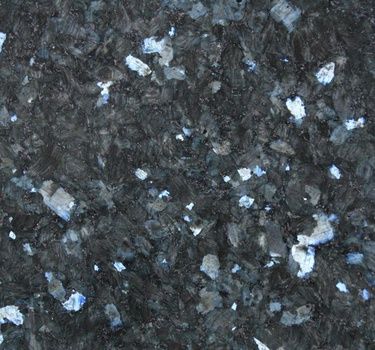
All structural elements of the fountain were premanufactured in Germany, with the marble and precious stones processed there before transportation to İstanbul for assembly.
Architectural Features
Unlike İstanbul's traditional square fountains, the German Fountain resembles a fountain house. It has an octagonal plan, elevated on a high base accessed by eight steps, which includes a water reservoir and a dome supported by eight columns. The seven sides of the octagonal base feature fountains in similar compositions, while the southern side is designed with steps, providing a façade to the fountain. On the platform housing the water reservoir, a corridor runs between the reservoir and the parapet of the fountain base, adorned with marble-carved benches along the edges. The floor of this corridor is decorated with geometric patterns made from coloured stones. The most striking parts of the fountain are the dark green columns with ornate arches and a dome covered in light green copper.
Decorative Elements
The ornamentation of the German Fountain is notable for the absence of figurative motifs. Instead, the inner surface of the arches features an eight-couplets inscription by Ahmet Muhtar Bey, the Undersecretary of the Ministry of War, in Thuluth script, written in gold letters by the calligrapher İzzet Efendi. The dome interior is embellished with golden mosaics, and at its centre, a colourful hub made of interlocking circular motifs draws attention. Around the base of the dome, medallions are arranged in a staggered pattern at the column level, featuring the monogram of Sultan Abdülhamid II in gold Gothic letters on a light green background, and the initials of Wilhelm II in gold Gothic letters on a Prussian blue background.
References
Altınay, Ahmet Refik. (1959). ‘Alman Çeşmesi.' İstanbul Ansiklopedisi, Vol. 2, Reşat Ekrem Koçu ve Mehmet ali Akbay İstanbul Ansiklopedisi Neşriyat Kollektif Şirketi, İstanbul, pp. 727-728.
Batur, Afife. (1993). ‘Alman Çeşmesi.’ Dünden Bugüne İstanbul Ansiklopedisi, Vol. 1, A joint publication of the Ministry of Culture and the History Foundation, İstanbul, pp. 208-209.
Natural Stones
Stones used in this building