Item 1 of 1
Properties
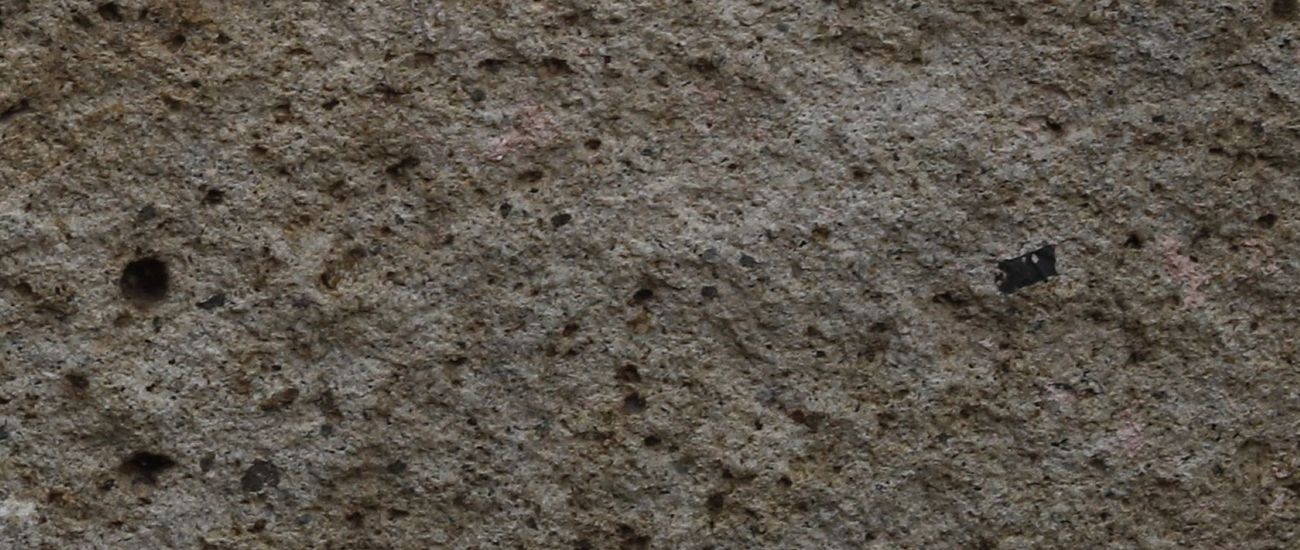
Properties of the Stone
Color
Green
Scientific Classification
Dasitic Tuff
Commercial Classification
Tuff
Quarry Site
Kocaeli-Türkiye
Quarry State
Inactive
Quarry Site
Karamürsel Fire Stone was extracted starting in late Roman times from quarries located in the Dereköy and Tepeköy regions south of Karamürsel district in Kocaeli province, Türkiye. From there, the stone was transported to the nearby Kavak Pier for shipment.
Historical Importance and Areas of Use in Architecture
Popular in the late Roman and early Byzantine eras, the stone saw widespread use again during the Ottoman period. In Ottoman documents, this natural stone is referred to as ‘stone of fire’ (seng-i ateş) due to its fire- resistant properties.
In construction, Karamürsel Fire Stone was primarily employed in foundations, arranged in a masonry style with horasan mortar, alongside bricks and Bakırköy Küfeki Stone. It was also used in door and window sills, as roughly hewn stones in walls and buttresses, and, due to its fire and heat-resistant properties, in kitchen stoves and bath furnaces.
Throughout the Ottoman period, Fire Stone was prominent in imperial buildings.
In the 15th century;
The foundations of the Mediterranean Medrese in the Fatih Complex,
In the Imperial Ottoman Arsenal (Tophane-i Amire), where it was used in the foundry for large cannons.
It was also used during the conversion of the Church of Sergius and Bacchus into the mosque known as Little Haghia Sophia.
In the 18th century;
In the Bahçekapı Imaret built by Sultan Abdulhamid I and in the foundations of the tomb and imaret of the Mihrişah Sultan complex Eyüp, commissioned by the Valide Sultan.
In the maintenance and repair of the Topkapı Palace and its kitchens,
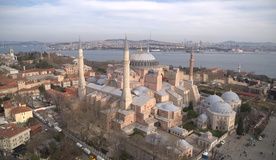
It notably appears in a single row among brick masonry in the structure of Hagia Sophia.
_276x160.jpg)