_1400x600.jpg)
_1400x600.jpg)
_1400x600.jpg)
_1400x600.jpg)
_1400x600.jpg)
_1400x600.jpg)
_1400x600.jpg)
_1400x600.jpg)
_1400x600.jpg)
Item 1 of 9
Properties
Properties of the Building
Original Building
Pantocrator Monastery
Architect(s)
Nikeforos (Original building)
Construction Completion
12th century
Repurposing
Converted into a mosque during the reign of Sultan Mehmed the Conqueror.
The Pantocrator Monastery, commissioned around 1124 by Eirene, the wife of Emperor John Komnenos II, features three churches: the Church of Hristos Pantokrator (Christ Pantocrator), the Church of Arhangelos Mikhail (Archangel Michael), and the Church of Theotokos Elaiusa (Theotokos Elaiusa). The architect of this significant complex is believed to have been Nikeforos.
Monastery Complex
The monastery complex included a hospital, library, nursing home, medical school, pharmacy, and a holy spring (ayazma). The oldest part of the three-building complex is likely the southern building. The central section of its five-part main narthex is covered by a high-drum dome.
Architectural Features
There is also a late addition of an outer narthex consisting of five sections, each covered with cross vaults. Two of the churches are designed in a closed Greek cross plan, featuring a single nave covered by two domes and a three-part narthex to the west.
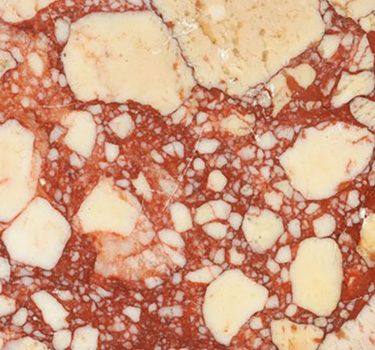
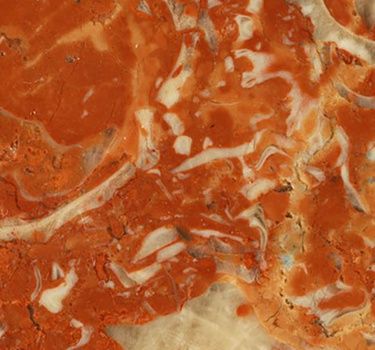
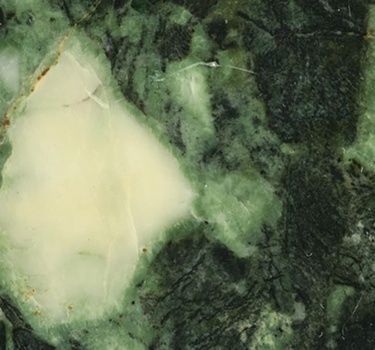
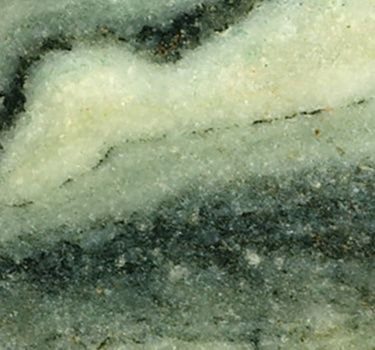
The hidden brick wall masonry of the building is adorned with colourful marble panels taken from older structures. The monastery’s ceiling is richly decorated with mosaics, and its windows are embellished with stained glass.
Evliya Çelebi notes that the interiors of the vaulted domes featured various gilded paintings. The southern building had marble pavements composed of intricately cut and fitted pieces of colored stone or marble, arranged in complex patterns or images—a technique known as opus sectile. The use of diverse materials throughout the building contributed to a decorative style characterized by recurring motifs.
Relics and Sacred Objects
The relics of Saint Demetrios, along with those of Saints Florus and Laurus, were kept within the monastery. The skull of Saint Blasius was sent by the Latin King Baudouin II (r. 1228-1261) to the French King Saint Louis IX. Additionally, it is said that the building contained the wooden table on which Jesus was laid after being taken down from the cross.
The Period of Mehmed the Conqueror
The Pantocrator Monastery, which houses the tombs of the Komnenos and Palaeologos dynasties, was converted into a madrasa by the order of Sultan Mehmed II, becoming the first educational institution in İstanbul. To facilitate its new function as a mosque, a brick minaret was added to the western façade. The complex was named after Molla Mehmed Efendi, known as Zeyrek.
Post-Earthquake Repairs
The Zeyrek Mosque was damaged in the 1766 earthquake. During the repairs carried out in the reign of Sultan Mustafa III, the columns supporting the dome of the northern building were replaced with square-sectioned stone and brick piers with chamfered corners. In the southern buildings, the columns were replaced with segmented stone piers in the Ottoman Baroque style. While the building’s decoration was renewed with Ottoman Baroque embellishments, paint with a marble effect was applied in place of the colorful marble claddings from the Byzantine period. The mosque’s plaster mihrab, marble minbar, and wooden pulpit were also produced during this period. The minbar was constructed using colorful marble panels and architectural elements from the Byzantine era, and its kiosk section was designed in the form of classical Ottoman minbars, incorporating columns and arched marble panels from the Byzantine period.
The Cibali Fire
The building, damaged in the great Cibali Fire of 1833, was restored a few years later with some changes to its architecture.
References
Ayvansarâyî Hüseyîn Efendi, Alî Sâtı Efendi ve Süleyman Besîm Efendi. (2001). Hadîkatü’l-Cevâmi, İstanbul Câmileri ve Diğer Dinî-Sivil Mi'marî Yapılar, Haz. Ahmed Nezih Galitekin, İşaret Yayınları, İstanbul, s. 172.
Kahraman, Seyid Ali ve Dağlı, Yücel. (2003). Günümüz Türkçesiyle Evliya Çelebi Seyahatnâmesi, 1. Cilt, 1. Kitap, YKY, İstanbul, s. 100-101.
Eyice, Semavi. (1994). ‘Zeyrek Kilise Camii’, Dünden Bugüne İstanbul Ansiklopedisi, C. 7, A Joint Publication of the Ministry of Culture and the History Foundation, İstanbul, s. 555-557.
Yılmaz, Hayri Fehmi. (2013). ‘Zeyrek Kilise Camii’, DİA, C. 44, İstanbul, s. 377-378.