Item 1 of 1
Properties
Properties of the Stone
Additional Names
Makriköy Stone
Color(s)
Beige
Scientific Classification
Fossiliferous Limestone
Commercial Classification
Limestone
Quarry Site
İstanbul-Türkiye
Quarry State
Inactive
Geological Provenance and Quarry Sites
Bakırköy Küfeki Stone was quarried from various locations around Istanbul’s Bakırköy district, including Haznedar, Merter, Güngören, Davutpaşa, Zeytinburnu, and Sefaköy. Ottoman documents identify quarries on the estates of Mehmed Pasha in Davutpaşa and Lütfi Pasha in Haznedar as state-owned küfeki stone quarries (seng-i küfeki karheng-i miri).
Technical Features and Nomenclature
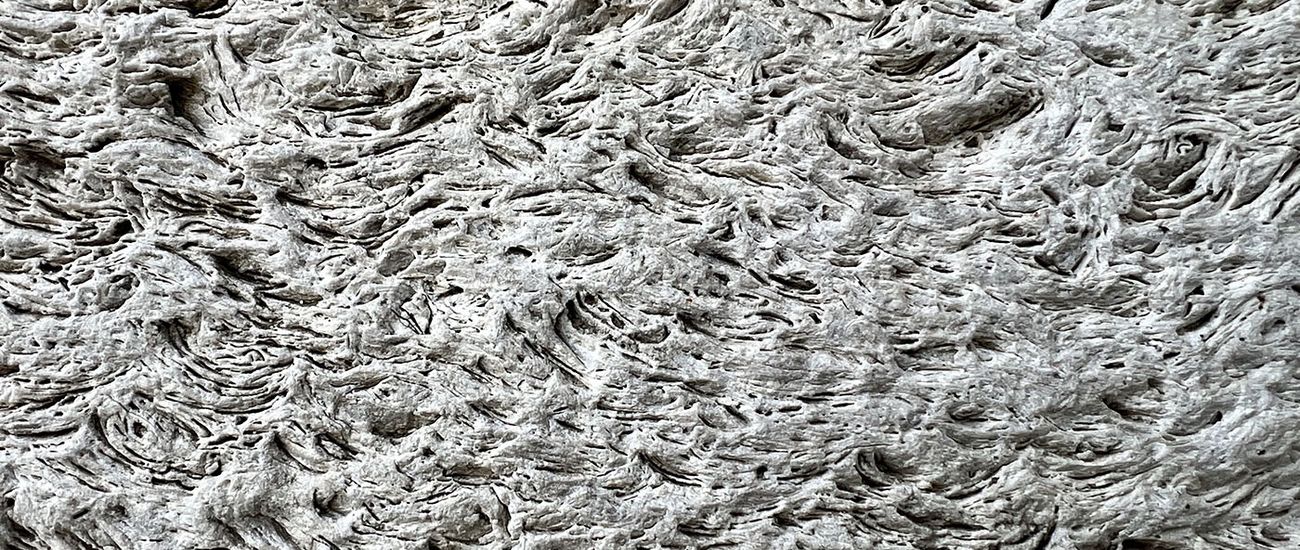
This stone, a spongelike and porous limestone, is noted for its softness and ease of workability. The name comes from the Ancient Greek, koupho lithos, meaning hollow, light, and spongy. Because of its fossil content, it is also referred to as ‘shell stone’ or ‘oyster stone’ in quarrying and other colloquial contexts. It is classified as a fossiliferous limestone due to this rich presence of fossilized remains.
Characterized by its light beige and white tones, Bakırköy Küfeki Stone is rich in fossils, porous, and contains calcite (crypto-crystalline). Initially soft when quarried, the stone hardens over time as it absorbs carbon dioxide gas from the air, enhancing its strength, and making it particularly favorable for construction. Its initial workability, combined with its resistance to water, makes it a preferred material for a range of architectural applications.
Use in Historical Buildings
Throughout history, Bakırköy Küfeki Stone has been widely used, particularly during the Roman, Byzantine, and Ottoman periods. The renowned Ottoman architect Mimar Sinan utilized this stone in his designs.
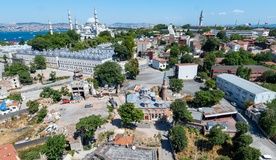
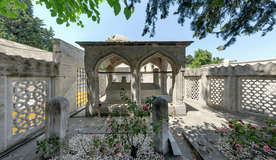
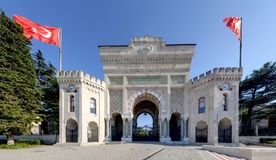
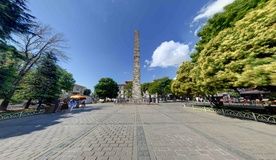
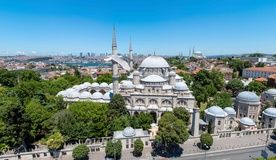
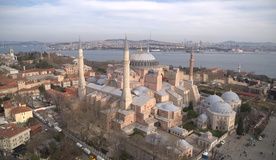
Bakırköy Küfeki Stone has been extensively used in historical buildings. Externally, it has been employed in the construction and cladding of walls, arches, copings, parapets, railings, and minarets. In interior spaces, it has served as wall cladding and flooring, supporting pillars, arches, portals and mihrabs, railings, architectural structural elements or components, mostly in the form of ‘building stone’.
_276x160.jpg)
_276x160.jpg)
_276x160.jpg)
_276x160.jpg)
_276x160.jpg)
_276x160.jpg)
_276x160.jpg)
_276x160.jpg)
_276x160.jpg)
_276x160.jpg)
_276x160.jpg)
_276x160.jpg)
_276x160.jpg)
_276x160.jpg)
_276x160.jpg)