_1400x600.jpg)
_1400x600.jpg)
_1400x600.jpg)
_1400x600.jpg)
_1400x600.jpg)
_1400x600.jpg)
_1400x600.jpg)
_1400x600.jpg)
_1400x600.jpg)
_1400x600.jpg)
_1400x600.jpg)
_1400x600.jpg)
_1400x600.jpg)
_1400x600.jpg)
_1400x600.jpg)
_1400x600.jpg)
_1400x600.jpg)
_1400x600.jpg)
_1400x600.jpg)
_1400x600.jpg)
_1400x600.jpg)
_1400x600.jpg)
_1400x600.jpg)
_1400x600.jpg)
_1400x600.jpg)
_1400x600.jpg)
Item 1 of 26
Properties
Properties of the Building
Architect(s)
Mimar Sinan
Construction Start
1545
Construction Completion
1556
The Süleymaniye Mosque, the masterpiece of Mimar Sinan, was built during the reign of Fatih and a portion of the garden of the Old Palace (Sarây-ı Atîk-i Âmire) was allocated for its construction.
Foundation Works
Given the sloped terrain, terraces of varying heights were created to accommodate the other units of the complex. The foundation works for the construction of the mosque on such a challenging site took three years and involved thousands of workers.
Evliya Çelebi records that the foundation works began in 1545, and the mosque was completed in 1556, with three thousand galley slaves working on the foundation excavations for three years.
Building Materials
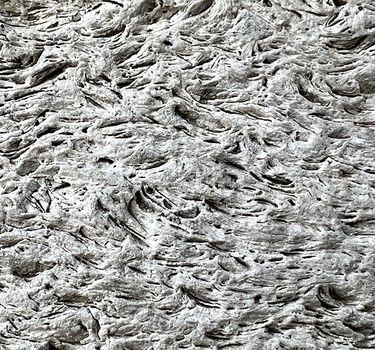
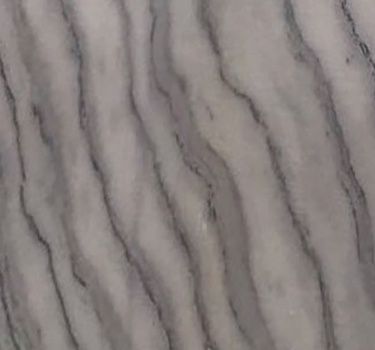
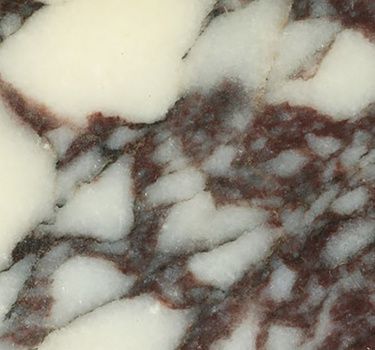
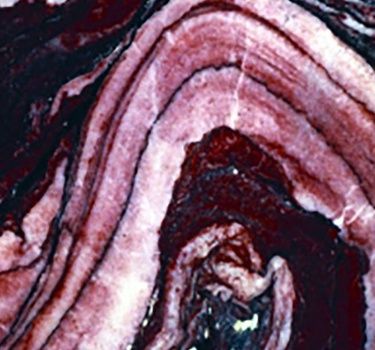
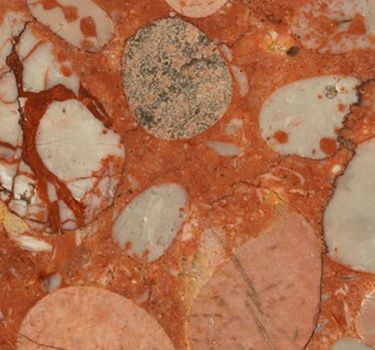
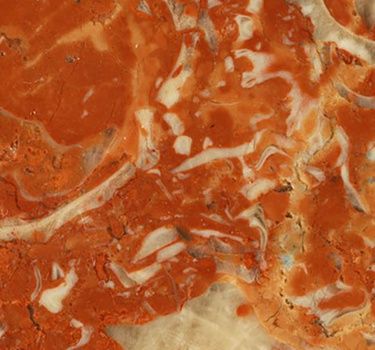
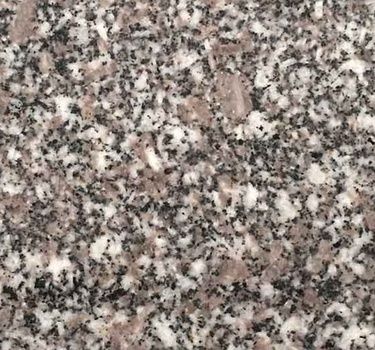
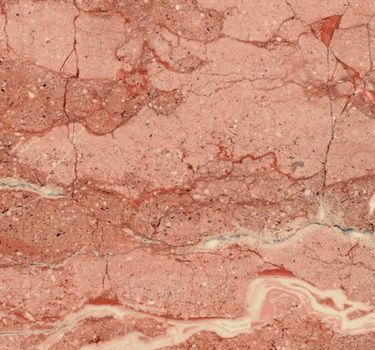
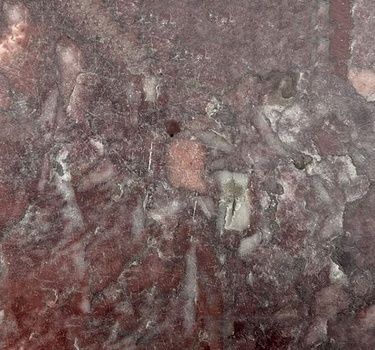
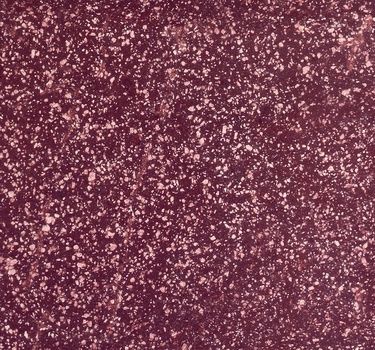
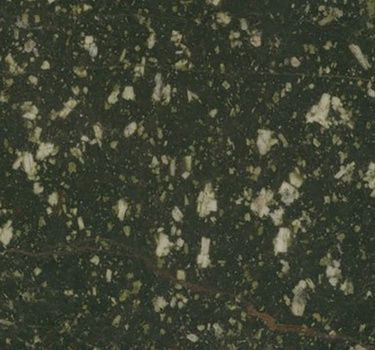
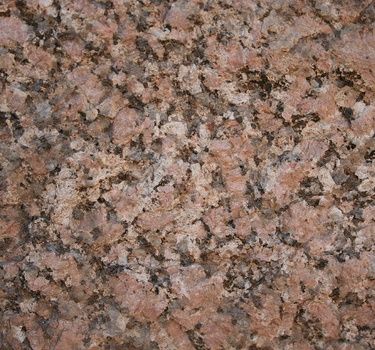
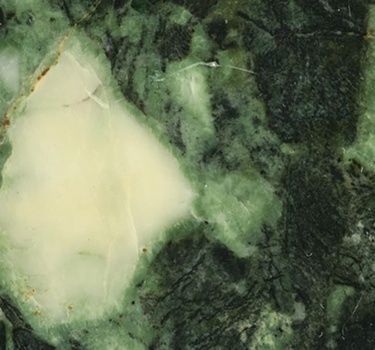
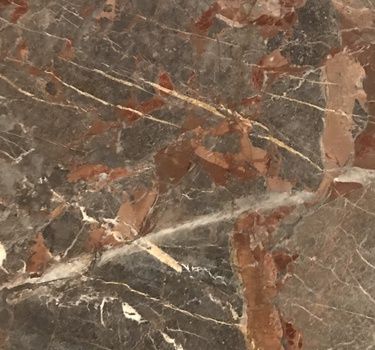
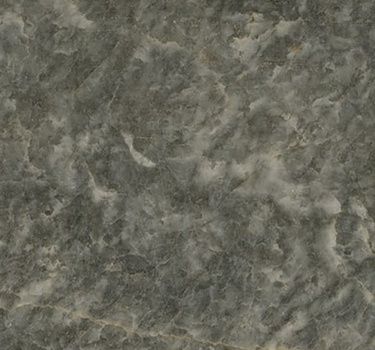
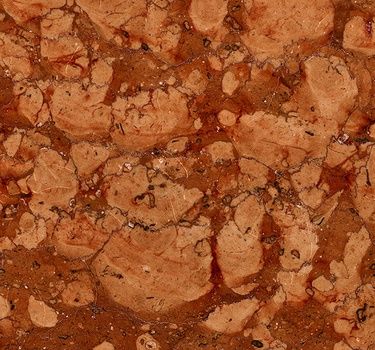
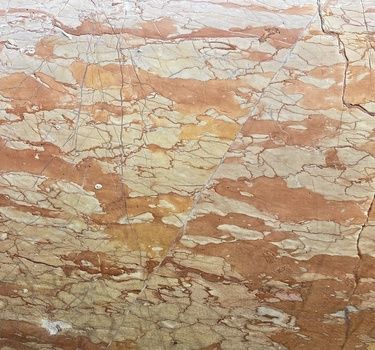
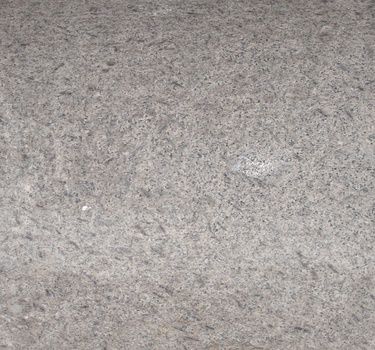
The main construction materials for the mosque were limestone (küfeki stone) and marble sourced from Marmara Island. The mosque's ornate red porphyry columns were brought from Egypt, while other columns were sourced from various ancient cities. The bricks, made in the Golden Horn, were used in the construction as well.
Architectural Features
Besides drawing some influence from Hagia Sophia in the mosque’s plan, Mimar Sinan succeeded in creating a unified space with as few components as possible.
The rectangular space forms the foundation for the central dome with four massive pillars strategically placed to support the arches. Being made from finely cut stone, featuring vertical grooves and chamfered corners, these enormous ‘elephant feet’ (pillars) appear more delicate than they actually are. The dome itself, 27.40 meters in diameter, rests on a drum supported by four large arches. Numerous windows in the drum allow natural light to flood the central space.
The mosque’s walls measure 69 by 62.3 meters. Except for the solid-looking qibla wall, the building’s numerous windows rise up to a third of the structure from the ground.
Interior Ornamentation
The mosque’s interior decorations feature exquisite marble craftsmanship, and, as described by Evliya Çelebi, beautiful tiles, and the stunning stained-glass windows created by Sarhoş İbrahim is equally noteworthy. The large script used in the mosque's interior decoration was written by the master calligrapher Karahisarî.
Courtyards
The mosque’s courtyard is surrounded by porticos covered with 28 domes. The semi-open courtyard features a double row of windows, rectangular at the bottom and pointed-arched at the top.
The courtyard’s domes, transitioning with pendentives above the arches, rise higher in the area of the last congregation place (son cemaat yeri), establishing a harmonious transition between the mosque’s main structure and the courtyard.
From Evliya Çelebi
Evliya Çelebi also mentions that the bronze rings on the courtyard columns bear inscriptions marking important historical events such as royal ascensions, fires, earthquakes, and rebellions.
The Complex
The Süleymaniye Complex includes several buildings alongside the mosque itself, such as the tombs of Sultan Suleiman and Hürrem Sultan, a primary school, madrasas, a rest house (tabhane), a Quran recitation school (darulkurra), a hospital (darüşşifa), a caravanserai, shops, a bathhouse, the Süleymaniye waterway, and the tomb of Mimar Sinan.
References
Ayvansarâyî, Hüseyîn Efendi, Alî Sâtı Efendi ve Süleyman Besîm Efendi. (2001). Hadîkatü’l-Cevâmi: İstanbul Câmileri ve Diğer Dinî-Sivil Mi‘marî Yapılar, Ed. Ahmed Nezih Galitekin, İşaret Yayınları, pp. 56-57.
Kahraman, Seyid Ali ve Dağlı, Yücel. (2003). Günümüz Türkçesiyle Evliya Çelebi Seyahatnâmesi, Vol. 1, Book 1, Yapı Kredi Yayınları, pp. 111-119.
Kuban, Doğan. (2007). Osmanlı Mimarisi, YEM Yayınları, pp. 277-294.
Mülayim, Selçuk. (2010). 'Süleymaniye Camii ve Külliyesi', Diyanet İslam Ansiklopedisi, C. 38, pp. 114-119.
Natural Stones
Stones used in this building