
Item 1 of 3
Properties
Properties of the Stone
Additional Names
Marmor Carium / Iassense, Cipollino Rosso
Color
Red+White
Scientific Classification
Marble
Commercial Classification
Marble
Quarry Site
Muğla-Türkiye
Quarry State
Inactive
Quarry Site and Technical Specifications
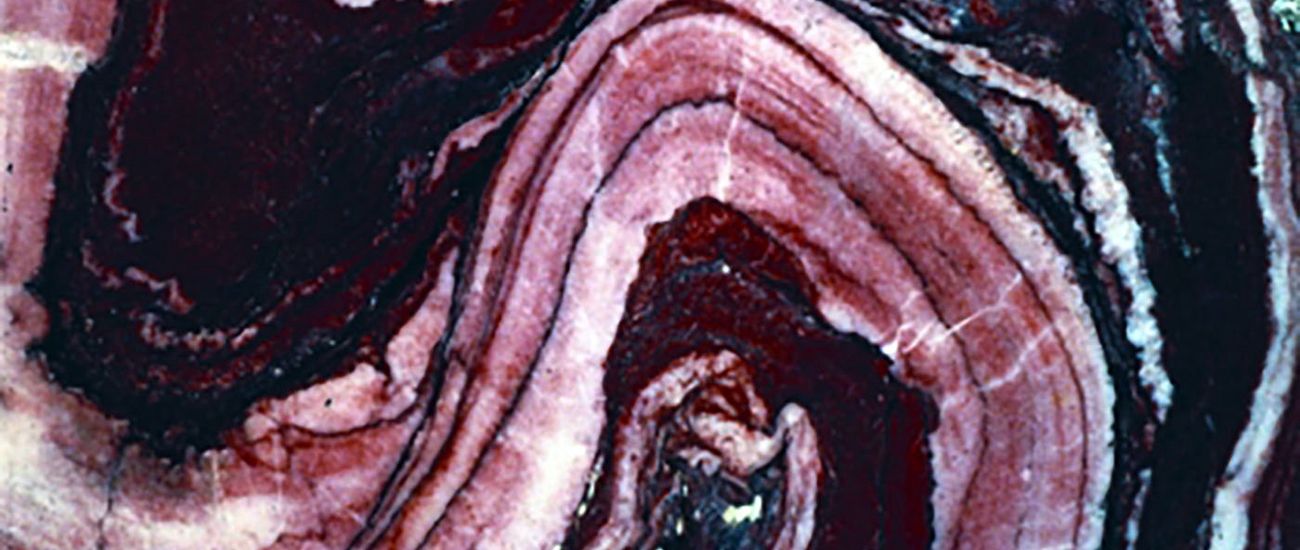
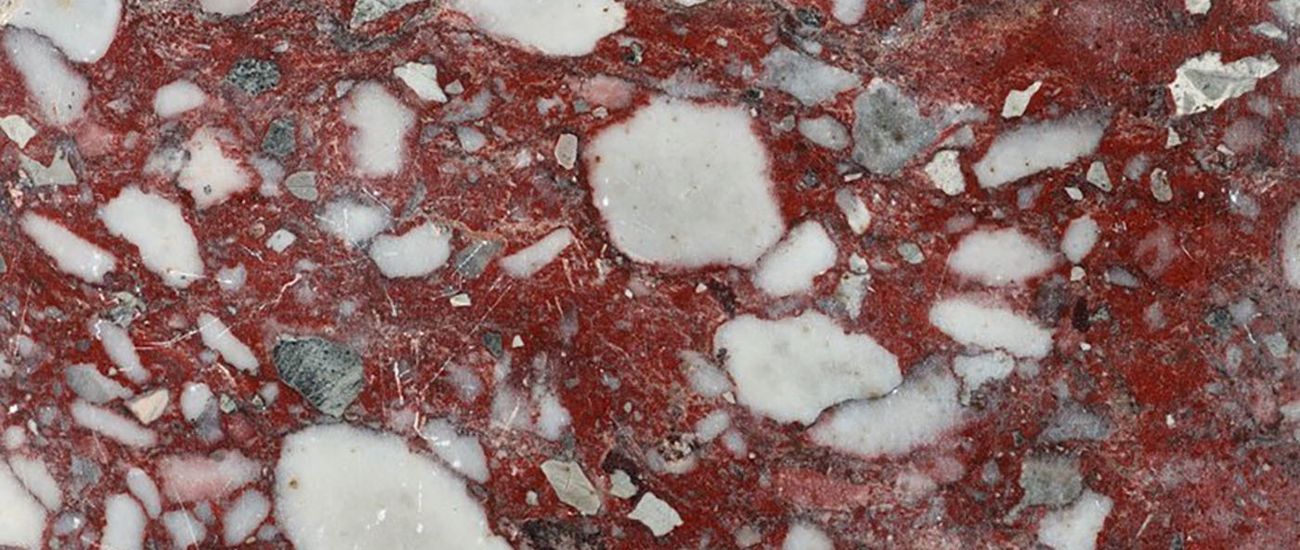
Muğla Kıyıkışlacık Marble was quarried by the Romans near the ancient city of Iasso in Caria, which corresponds to the present-day village of Kıyıkışlacık in Milas, Muğla. Classified as a ‘True Marble,’ this stone is distinctive for its burgundy-colored base, which is attributed to the presence of hematite and piemontite minerals in its composition. The marble features striking white veined patterns, although some varieties display a uniformly burgundy color with a homogeneous texture.
Usage in the Roman Period
In the Roman era it was called ‘Marmor Carium/Iassense.’ Italian stone masons referred to it as ‘Cipollino Rosso’ due to its onion-like appearance. The marble was used extensively in Roman in the 4th and 5th centuries.
Usage in the Ottoman Period
During the Ottoman Empire, it was selected for display in Süleymaniye Mosque. It appears in the construction records as ‘mermer-i kurd-bagrı’. Muğla Kıyıkışlacık Marble was primarily used in architectural elements including arches and borders, floor tiles, and columns, serving both indoor and outdoor.
_276x160.jpg)

_276x160.jpg)