

Item 1 of 4
Properties
Properties of the Stone
Additional Names
Marmor Proconnesium
Color(s)
White and Grey
Commercial Classification
Marble
Scientific Classification
Marble
Quarry Site
Balıkesir-Türkiye
Quarry Status
Active
Quarry Site and Status
Marmara Marble is quarried in the Saraylar region of Marmara Island, located in Balıkesir province, Türkiye. The quarrying of Marmara marble dates back to Antiquity, with especially intensive quarrying between the 2nd and 6th centuries AD. The popularity of the stone continued during the Ottoman Empire and on into modern times.
Nomenclature
The ancient Greeks called the island Prokonessos and called the marble ‘Marmaros,’ meaning ‘shining stone.’ The Romans adapted this to ‘Marmor Proconessium.’ This marble was so significant that it contributed to the island’s name and subsequently inspired the name of the surrounding Sea of Marmara.
Architectural and Cultural Value
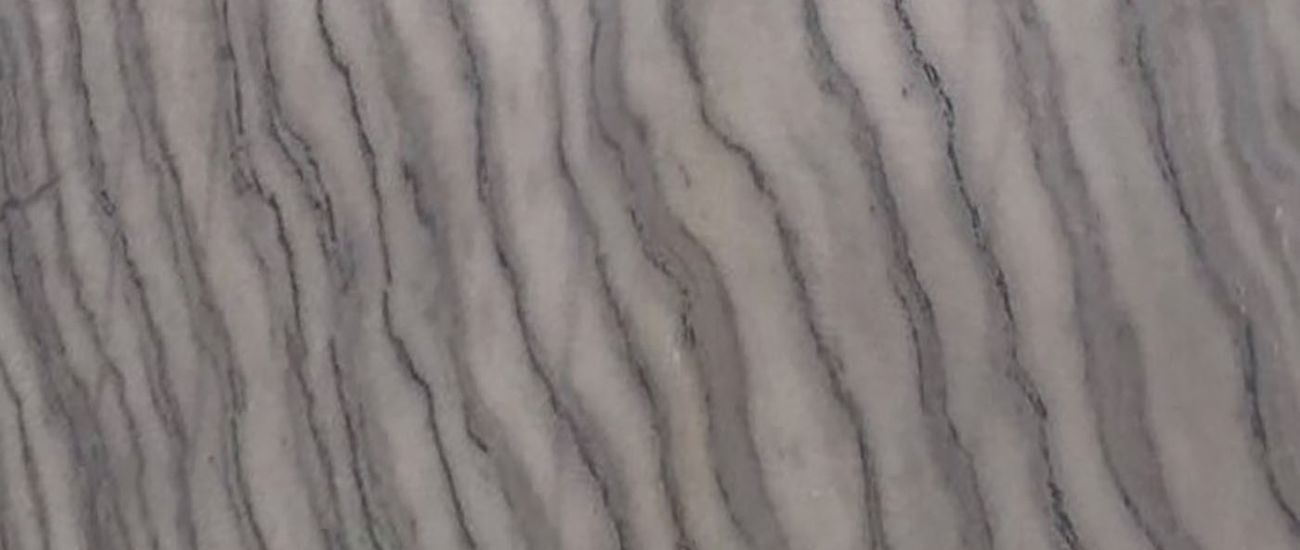
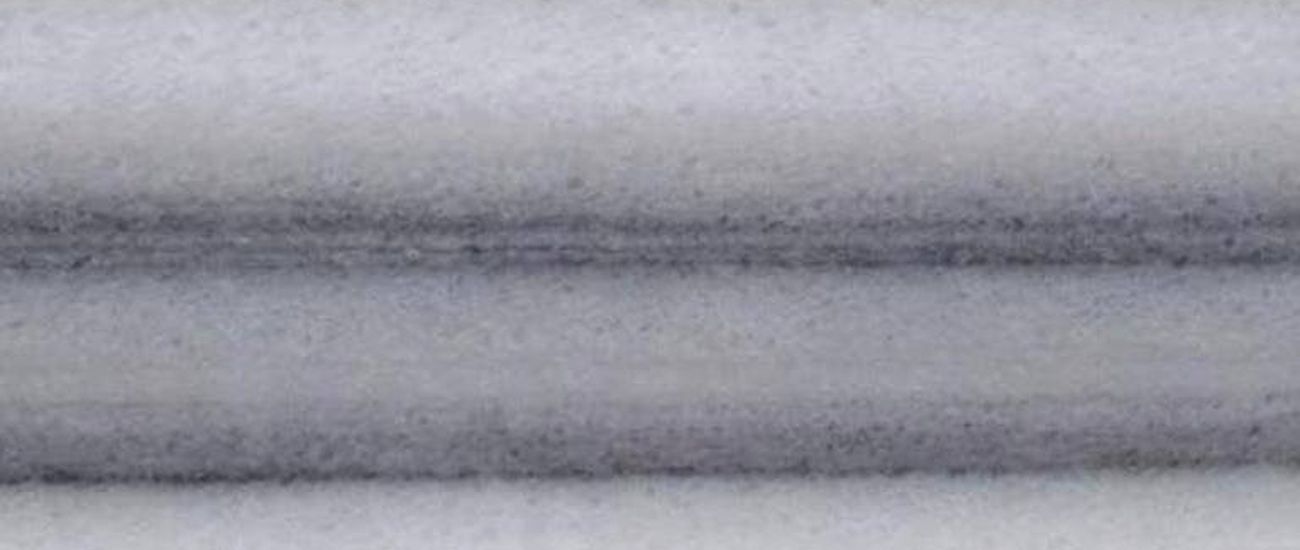
Classified as ‘True Marble,’ Marmara Marble is noted for its distinctive white and gray coloration, featuring striking stripe-like patterns with graphite bands in shades of grey and black. Its unique appearance and historical importance make it a favored choice in both classical and contemporary architecture.
In ancient times, notable uses of Marmara Marble included the first Temple of Artemis in Ephesus, the Palace of Mausolos in Halikarnassos, Caria, and the Altar of Pergamon in Pergamon.*
Areas of Use in Architecture
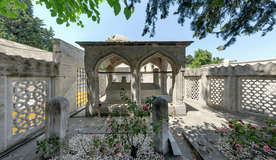
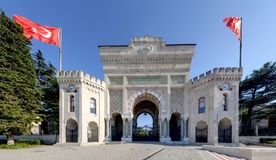
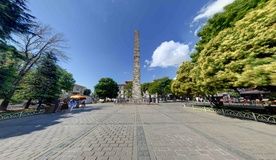
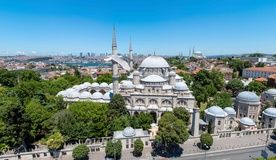
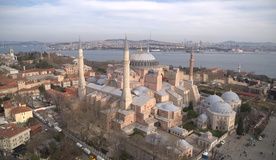
Today, Marmara Marble continues to be used extensively in Turkish and global architecture. Its applications include floor coverings, columns, column capitals, and bases. While less commonly used as structural stone, it is often employed as cladding for arch stones, arch pediments, window and door sills, steps, thresholds, and tomb exteriors.
*Marmora Asiatica, ‘Prokonossos.’ Accessed on 3 September 2024 at http://marmoraasiatica.uw.edu.pl/quarries/prokonnesos/
_276x160.jpg)
_276x160.jpg)
_276x160.jpg)
_276x160.jpg)
_276x160.jpg)
_276x160.jpg)
_276x160.jpg)
_276x160.jpg)
_276x160.jpg)
_276x160.jpg)
_276x160.jpg)
_276x160.jpg)
_276x160.jpg)
_276x160.jpg)
_276x160.jpg)
_276x160.jpg)