_1400x600.jpg)
_1400x600.jpg)
_1400x600.jpg)
_1400x600.jpg)
_1400x600.jpg)
_1400x600.jpg)
_1400x600.jpg)
Item 1 of 7
Properties
Properties of the Building
Architect(s)
Mimar Sinan
Construction Date
1566
Construction of the tomb, built by Mimar Sinan for the Süleymaniye Complex, was begun shortly after the death of Suleiman the Magnificent on 6 September 1566, during the Siege of Szigetvár.
Architectural Features
This octagonal tomb, slightly tapered at the corners and aligned parallel to the qibla, is designed to resemble a musalla stone, a raised stone platform on which the deceased is laid before burial in Islamic practice. The exterior features a portico, while the interior consists of a surrounding corridor formed by columns that also support the buttresses rising from the exterior walls. Above the elegant portico adorned with large windows, the structure culminates in a magnificent external dome, decorated with a series of palmettes on the cornice beneath the upper eaves. This dome is double-shelled, with the outer shell resting on the exterior walls and the inner dome supported by the columns inside.
Building Materials
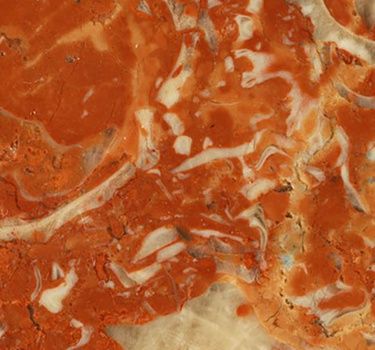
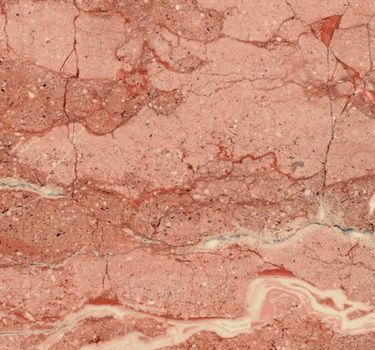
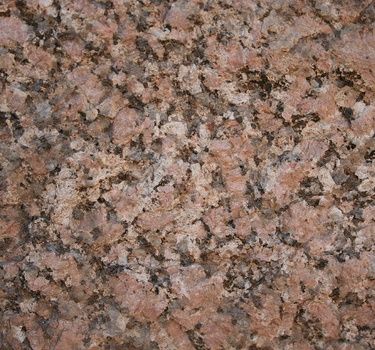
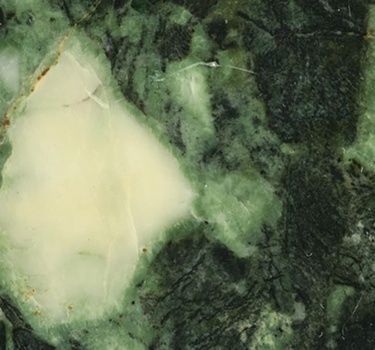
The marble panels and rare porphyry columns used in the tomb are spolia materials. However, the small-sized white columns in the porticoes surrounding the exterior of the tomb were specifically produced for this structure.
Stones from the Kaaba and Hagia Sophia
The marble panels used in the tomb were removed from Hagia Sophia in 1567. The Greek inscriptions on these panels record the decisions made at a Byzantine church council held in Constantinople in 1166. A black stone, brought from the Kaaba, was placed as the keystone above the architrave of the tomb entrance.
Interior Ornamentation
Verses from the Quran are inscribed on either side of the tomb's door and around the monumental inscription belt that encircles the space. Glittering rock crystals and semi-precious stones, such as agate, were incorporated into the original plasterwork of the dome. Inside the tomb, red porphyry columns rise as a distinctive feature of imperial architecture, illuminated through the colored glass bearing the Seal of Suleiman, under the wide eaves of the outer portico. The mother-of-pearl and ivory inlaid door wings are among the outstanding examples of the period.
Historical Inscription
Although the inscription above the tomb's door states that it was commissioned by Sultan Selim II, it is also possible that this indicates he was the one who completed the construction.
References
Kahraman, Seyid Ali, and Dağlı, Yücel. (2003). Günümüz Türkçesiyle Evliya Çelebi Seyahatnâmesi, Vol. 1, Yapı Kredi Yayınları, p. 307.
Kuban, Doğan. (1994). 'Süleymaniye Külliyesi', Dünden Bugüne İstanbul Ansiklopedisi, Vol. 7, A Joint Publication of the Ministry of Culture and the History Foundation, pp. 96–104.
Mülayim, Selçuk. (2010). 'Süleymaniye Külliyesi', DİA, Vol. 38, pp. 114–119.
Necipoğlu, Gülru. (2013). Sinan Çağı: Osmanlı İmparatorluğu’nda Mimarî Kültür, Translated by Gül Çağalı Güven, İstanbul Bilgi Üniversitesi Yayınları, pp. 293–294, 296.