Item 1 of 1
Properties
Properties of the Stone
Additional Names
Marmor Thessalicum, Verde Antico
Color(s)
Green+White
Scientific Classification
Serpentine Breccia
Commercial Classification
Marble
Quarry Site
Larissa-Greece
Quarry Status
Inactive
Quarry Site
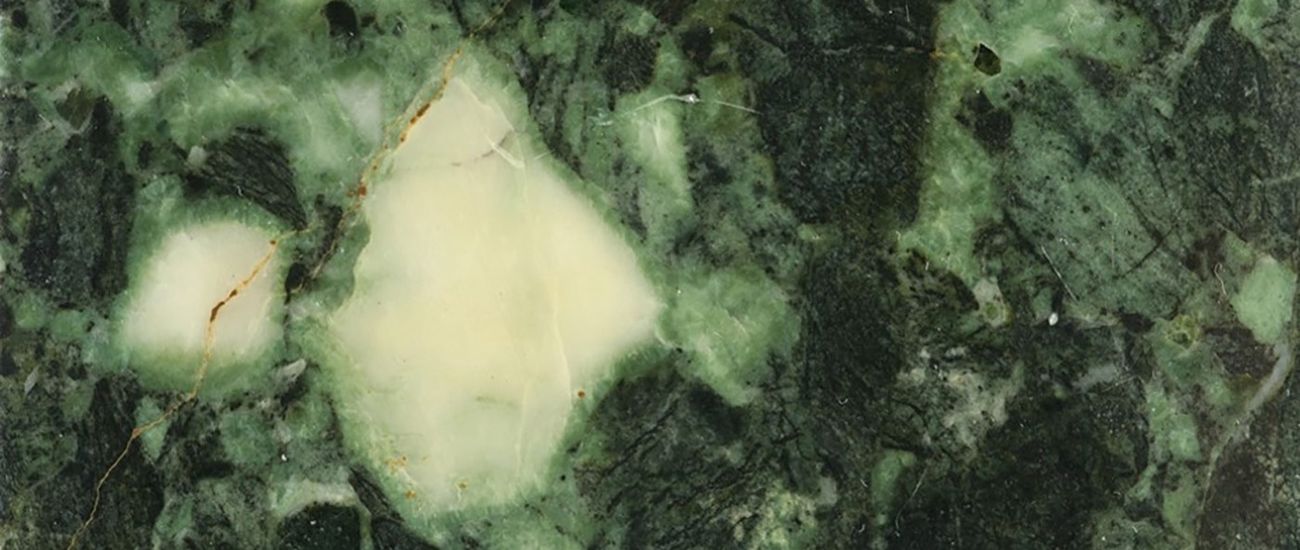
Thessalian Breccia, extracted from quarries in the Thessaly region of Greece (present-day Larissa), is a ‘Tectonic Breccia’ composed of green serpentinite and white marble pebbles. This stone was popular from Hellenistic times through the Roman period, with quarrying active between the 1st and 6th centuries.
Use in Roman and Ottoman Architecture
This stone was widely used in the construction and decoration of buildings in ancient Rome. Thessalian Breccia was regarded as a material symbolizing wealth and luxury, preferred for columns, floor tiles, sculptures, and other architectural details.
Thessalian Breccia was used in ancient Greece as well as in Rome.
In Greece, it was used in the 5th century Temple of Apollo at Bassae and the Parthenon as decorative elements.
The Romans later employed it the Forum of Trajan, the Pantheon, and the Baths of Caracalla, where it served structural and decorative purposes.
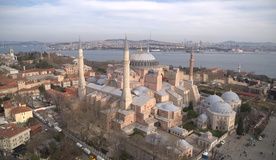
During the Byzantine era, the stone was used in the decoration and construction of churches, including Hagia Sophia, often for columns, pavings, and decorative elements.
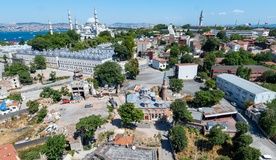
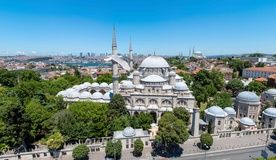
During the Ottoman period, its use for decorative elements and flooring continued. It was used in the Süleymaniye Mosque, appearing in the construction records as ‘laciverd ablağı’ (azure marble).
_276x160.jpg)
_276x160.jpg)
_276x160.jpg)
_276x160.jpg)
_276x160.jpg)
_276x160.jpg)
_276x160.jpg)
_276x160.jpg)
_276x160.jpg)
_276x160.jpg)
_276x160.jpg)
_276x160.jpg)
_276x160.jpg)