_1400x600.jpg)
_1400x600.jpg)
_1400x600.jpg)
_1400x600.jpg)
Item 1 of 5
Properties
Properties of the Building
Architect(s)
Mimar Sinan
Construction Start
1543
Construction Completion
1544
The tomb and complex were commissioned to Mimar Sinan following the death of Şehzade Mehmed, the son of Sultan Suleiman the Magnificent and Hürrem Sultan, in 1543, while he was serving as the governor of the Sanjak of Manisa. The construction inscription on the tomb, written in Persian, is dated 1543–1544.
Exterior Ornamentation
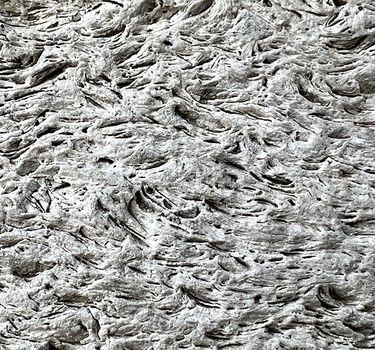
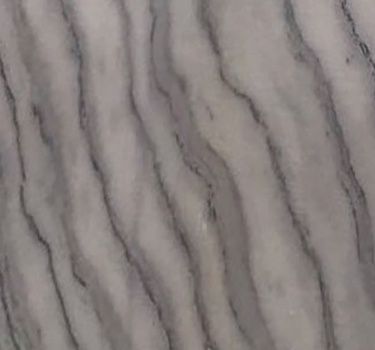
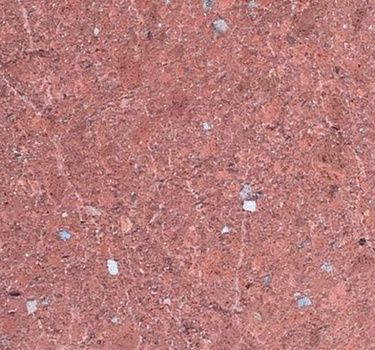
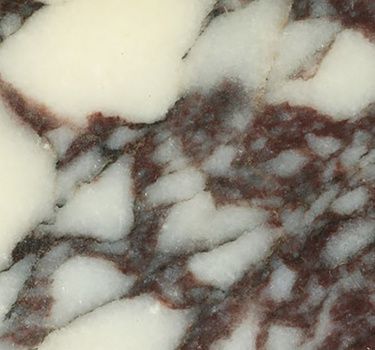
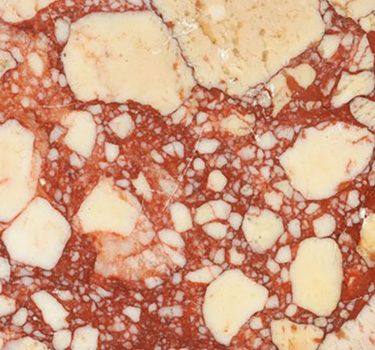
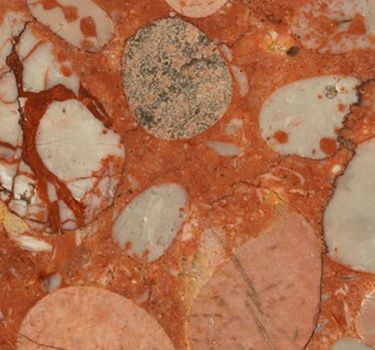
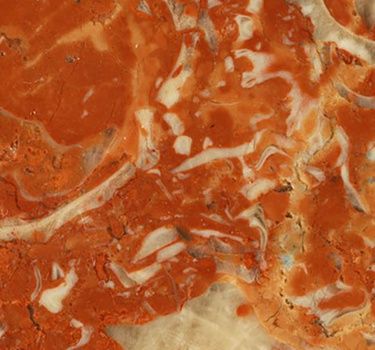
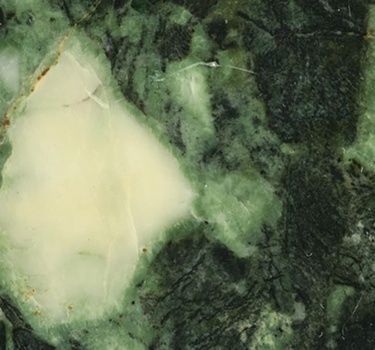
The mausoleum exterior features stone decorations, incorporating marble, breccia, and terracotta. The mausoleum, accessed through a three-eyed portico with green and red porphyry columns, is topped with a fluted dome. The dome's hoop is adorned with grooves, creating a rich ornamentation. The dome skirt and exterior walls are decorated with various mouldings, stone borders, alternating arches, and rare coloured marbles. Inscription bandelets between two rows of windows on the façades feature two cartouches, each made of green and white inlaid marble. Elegant tile panels, crafted by İznik tile masters using the superior cuerda seca technique — in which wax or grease is used to separate different coloured glazes to create intricate multicoloured patterns — flank the tomb door, displaying a palette of yellows and greens.
Interior Ornamentation
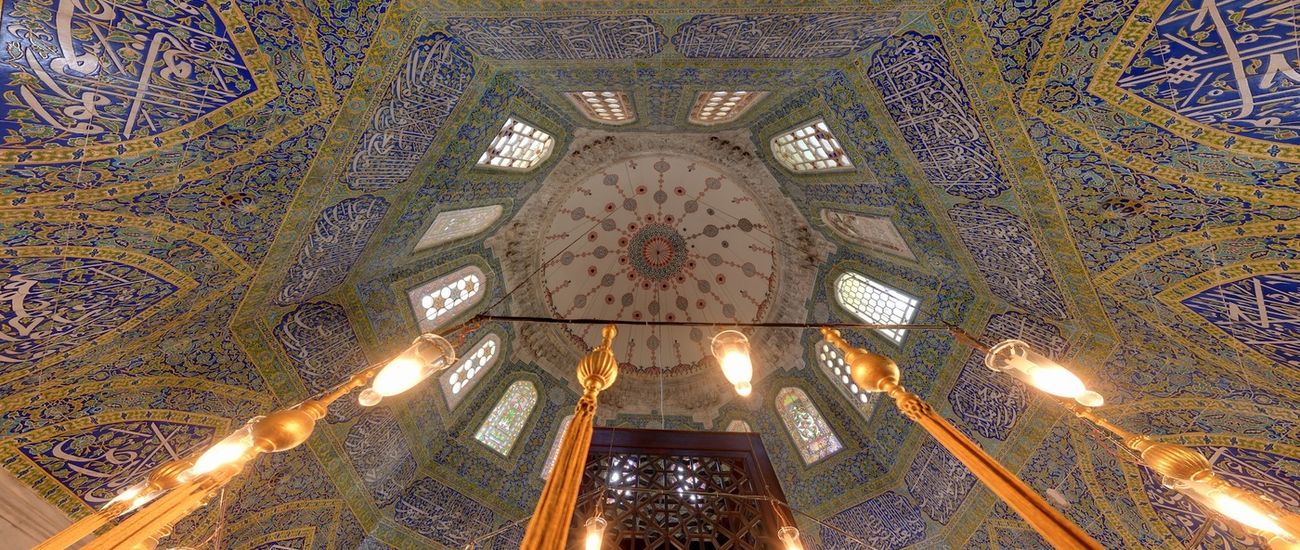
The interior of the tomb is covered with rosettes, leaves, and tiles decorated with Chinese clouds up to the base of the dome. A belt of two cartouche inscriptions surrounds the interior walls between two rows of windows. The dome is striking, featuring painted decoration on Malakari plaster — a traditional lime-based plaster with a smooth finish that holds intricate designs well. The wooden components of the tomb are crafted using a fine inlay technique.
Throne on the Coffin
The wooden throne on the sarcophagus of Şehzade Mehmed, decorated with ivory inlays, reflects Suleiman the Magnificent's desire to envision his son, Şehzade Mehmed, as the Sultan.
Şehzadebaşı District
The street running from Beyazıt to Edirnekapı was named Şehzadebaşı after the construction of the tomb.
References
Kahraman, Seyid Ali ve Dağlı, Yücel. (2003). Günümüz Türkçesiyle Evliya Çelebi Seyahatnâmesi, Vol. I, YKY, İstanbul, pp. 122-123.
Kuban, Doğan. (1994). ‘Şehzade Külliyesi’, Dünden Bugüne İstanbul Ansiklopedisi, A Joint Publication of the Ministry of Culture and the History Foundation, Vol. 7, İstanbul, pp. 152-155.
Necipoğlu, Gülru. (2013). Sinan Çağı Osmanlı İmparatorluğu’nda Mimarî Kültür, İstanbul Bilgi Üniversitesi Yayınları, Çev. Gül Çağalı Güven, İstanbul, pp. 268-269.
Orman, İsmail. (2010). ‘Şehzade Külliyesi’, DİA, İstanbul, pp. 483-485.
Natural Stones
Stones used in this building