_1400x600.jpg)
_1400x600.jpg)
_1400x600.jpg)
_1400x600.jpg)
_1400x600.jpg)
_1400x600.jpg)
_1400x600.jpg)
_1400x600.jpg)
Item 1 of 8
Properties
Properties of the Building
Original Building
Church of Saints Sergius and Bacchus
Architect(s)
Isidoros of Miletus, Anthemios of Tralles
Construction Completion
530
Repurposing
It was converted into a mosque by Hüseyin Ağa, the Kapıağası of Sultan Bayezid II
The Little Hagia Sophia Mosque, which Evliya Çelebi recorded as Fatih's endowment, is a Byzantine church that was converted into a mosque by Kapıağası Hüseyin Ağa during the reign of Sultan Bayezid II (1481-1512).
Church History
One of the most beautiful examples of early Christian period structures with a central plan, surrounding corridors, and galleries is the Church of Sergius and Bacchus, which was commissioned by Emperor Justinian, the founder of Hagia Sophia, around 530 AD. Due to the similarity of its plan to Hagia Sophia, the structure is known as the Little Hagia Sophia. In its courtyard, there is a basilica-type church dedicated to Saints Peter and Paul, as well as the Hormisdas Palace (a pavilion of the Great Palace).
Traces of Byzantine Art
The stonework of the structure, which reflects the transition from ancient art to Byzantine art, features basket-shaped column capitals on the lower level with the monograms of Justinian at their centres. The marble frieze separating the two floors bears a beautiful example of 6th-century Byzantine calligraphy, with inscriptions recording that Justinian and his wife, Theodora, dedicated the church to Saint Sergius. A pair of marble balustrade panels with cut out motifs, placed on either side of the pulpit pavilion, are part of the building's original 6th-century decoration.
The Ottoman Period
During the church's conversion into a mosque, a portico in the classical Ottoman architectural style was added to the west side of the building for the last congregation. The portico constructed from precisely cut stone featured, pointed arches resting on six columns and was divided into five sections, each covered by a dome. Several architectural modifications from the Ottoman period are immediately noticeable, including additional windows, remodeled doors, hexagonal floor bricks on both the lower level and gallery, and hourglass-shaped pilasters at the corners of the large pillars supporting the dome. Stamps can be found on the hexagonal floor bricks, and the muezzin platform (muezzin mahfili- on which the muezzin stands to lead responses during prayers) in classical style, features a balcony with a plain railing above Bursa arches. The arches are supported by slender columns.
Ottoman Decorations
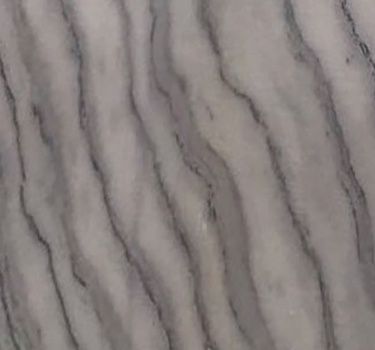
The mosque's simple mihrab, made of veined marble, features no decoration other than the Kalima-i Tawhid (the Islamic declaration of faith) and an elegantly engraved classical-style crown on its upper edge. The marble pulpit, characterized by its simplicity, dates back to the early 16th century. While hand-drawn embellishments adorn the walls, arches, vaults, and the large dome, it is probable that beneath the plaster, there are remnants of mosaic decorations from the structure's original construction. The Little Hagia Sophia Mosque stands today as a striking blend of Byzantine and Turkish architectural influences.
References
Ayvansarâyî Hüseyîn Efendi, Alî Sâtı Efendi and Süleyman Besîm Efendi. (2001). Hadîkatü’l-Cevâmi, İstanbul Câmileri ve Diğer Dinî-Sivil Mi‘marî Yapılar, Ed. Ahmed Nezih Galitekin, İşaret Yayınları, p. 252.
Eyice, Semavi. (2002). 'Küçük Ayasofya Külliyesi', DİA, Vol. 26, pp. 520–522.
Eyice, Semavi. (1994). 'Küçük Ayasofya Külliyesi', Dünden Bugüne İstanbul Ansiklopedisi, Vol. 5, A Joint Publication of the Ministry of Culture and the History Foundation, s. 146–149.
Kahraman, Seyid Ali and Dağlı, Yücel. (2003). Günümüz Türkçesiyle Evliya Çelebi Seyahatnâmesi, Vol. 1, Book 1, Yapı Kredi Yayınları, p. 100.
Kuban, Doğan. (2007). Osmanlı Mimarisi, YEM Yayınları, pp. 218–219.
Natural Stones
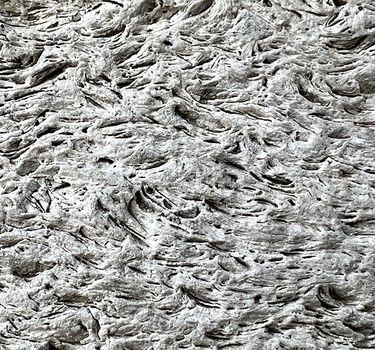
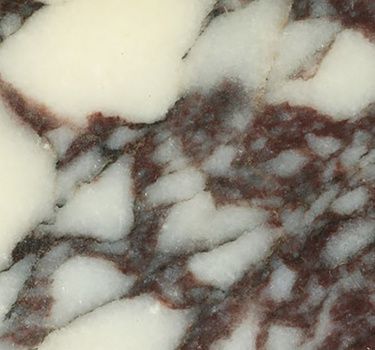
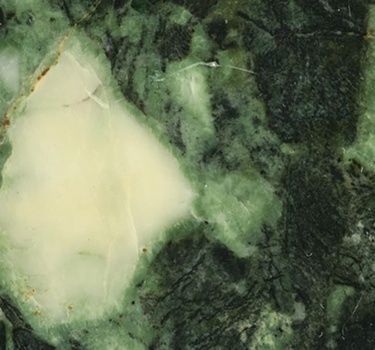
Stones used in this building