_1400x600.jpg)
Item 1 of 2
Properties
Properties of the Building
Architect(s)
Unknown
Construction Completion
Unknown
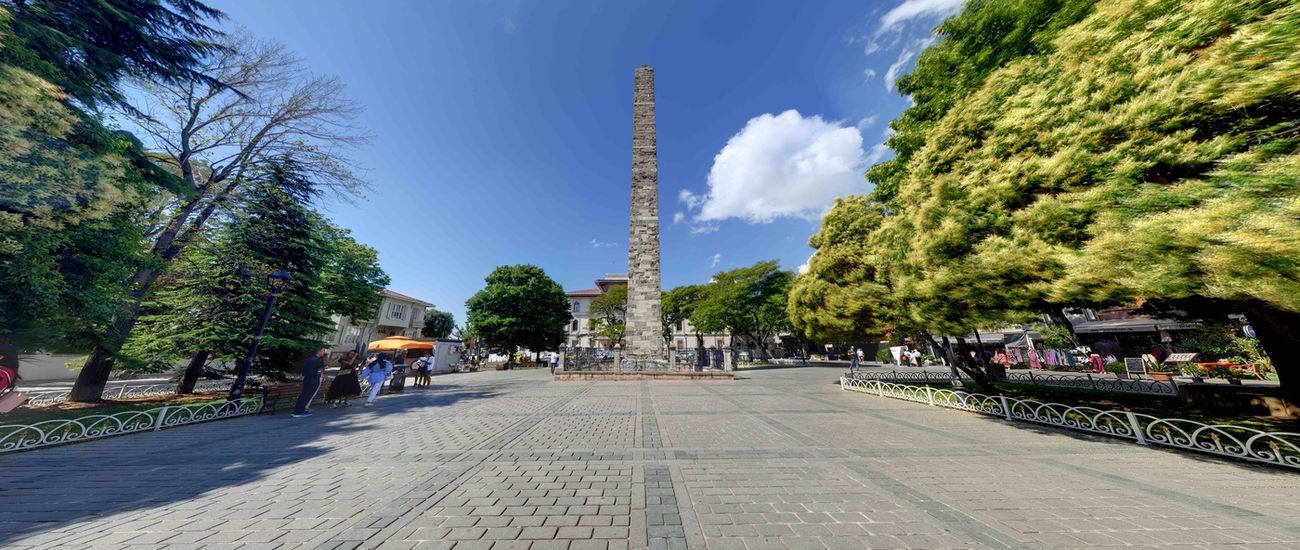
The Walled Obelisk, also known simply as the Obelisk, is currently located below ground level in Sultanahmet Square. However, it once stood prominently at the centre of the hippodrome of Constantinople during the Late Roman period where chariot races were held. It was positioned on the ‘spina,’ the central barrier that divided the racecourse.
Architectural Features
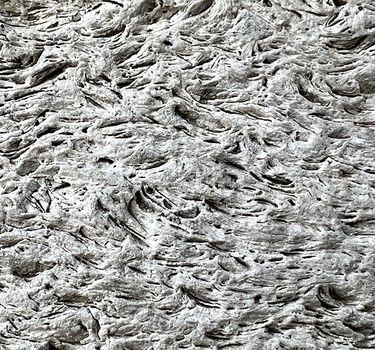
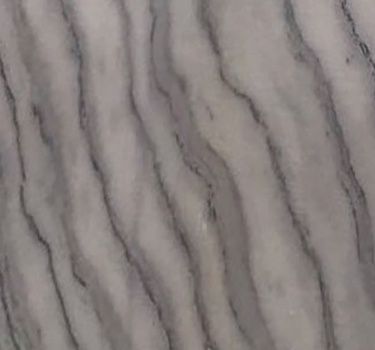
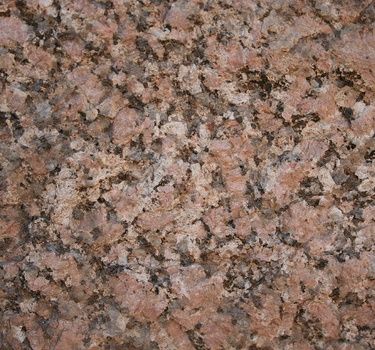
The Obelisk is about 32 meters tall. The marble pedestal rises above a base of three steps. The body of the column is made of random cut stone. The holes in the sections of the original structure are likely the sockets of bronze clamps, which were driven into lead beds to secure the bronze plates that once covered the monument.
Inscriptions
On one face of the marble base of the Obelisk, a six-verses inscription in Greek reads: ‘This majestic and wonderful four-cornered monument, though ruined by time, was restored by Emperor Constantine and his son Romanus, now regarded as the glory of the state, in better condition than before. The Colossus of Rhodes was magnificent, and this bronze monument is equally awe-inspiring.’ It is understood that the individuals referred to in the inscription are Constantine Porphyrogennetos VII and his son Romanus II. It is believed that the embossed bronze plates, which were nailed to the surface of the Walled Obelisk, were added during this restoration.
The plates were likely disassembled by Western knights who occupied Constantinople during the Fourth Crusade between 1204 and 1261.
The Walled Obelisk in Evliya Çelebi
Evliya Çelebi records that the name of the Walled Obelisk was milyonpar. He notes that a talisman was created using a minaret shaft to ensure that the obelisk would stand as long as the world lasted. Stones were carefully arranged around it and a magnet stone, as large as a bath dome, was placed at the very top, which is why the monument is also called the ‘magnet’ stone.
The Ottoman Period
The Obelisk is clearly depicted in illustrated manuscripts and miniatures showing the festivities held in Sultanahmet in Ottoman period. Although the base of the monument remained buried due to the rise of the soil level of Sultanahmet Square, the pedestal was uncovered in 1856 and surrounded by a fence.
References:
Eyice, Semavi. (1994). 'Örme Sütun', Dünden Bugüne İstanbul Ansiklopedisi, Vol. 6, A Joint Publication of the Ministry of Culture and the History Foundation, pp. 196–197.
Kahraman, Seyid Ali ve Dağlı, Yücel. (2003). Günümüz Türkçesiyle Evliya Çelebi Seyahatnâmesi, Vol. 1, Yapı Kredi Yayınları, pp. 34–35.
Müller-Wiener, Wolfgang. (2001). İstanbul’un Tarihi Topografyası: 17. Yüzyıl Başlarına Kadar Byzantion–Konstantinopolis–İstanbul, Trans. Ülker Sayın, Yapı Kredi Yayınları, pp. 66–67.
Yücel, Erdem. (1994). 'Dikilitaş', Dünden Bugüne İstanbul Ansiklopedisi, Vol. 3, A Joint Publication of the Ministry of Culture and the History Foundation, İstanbul, pp. 52–53.
Natural Stones
Stones used in this building