_1400x600.jpg)
_1400x600.jpg)
_1400x600.jpeg)
Item 1 of 3
Properties
Properties of the Building
Construction Date
328
Çemberlitaş, also known as the Column of Constantine, is a monument located in the heart of the ancient city of Constantinople. It stands at what was once the Forum of Constantine, a public square established by Emperor Constantine himself.
Structural Features
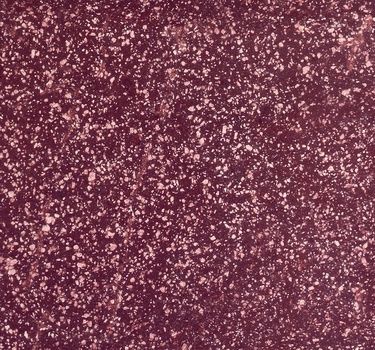
The nine round pieces, carved from redbud-coloured porphyry stone and forming a 50-meter long body, were brought from Rome and erected in 328. The structure stands on a pedestal with a quadrangular staircase of five steps, on which a sanctuary blessed by the emperor was built. The monument’s lower section was damaged in 418 and is now surrounded by an iron ring.
A gilded statue, once atop the monument, is said to have held a globe with a cross in its left hand and a spear in its right. The inscription: 'Jesus, Creator and Ruler of the world, I offer the scepter and power of Rome to this city, your city. Protect it from all attacks and save it from danger,' was added later on.
Structural Interventions
Emperor Manuel I Komnenos, during restoration, commissioned to add a marble crown, a bronze cross, and an inscription to the monument. By the final period of Byzantium, Çemberlitaş was known as the 'Crusader Monument.' Over time, it has suffered from various natural disasters, including fires, earthquakes, and lightning strikes. In the 18th century, it was likely enclosed in a protective stone cover.
One of Istanbul’s Talismans
Sacred items of both pagan and Christian origin were said to be placed under this significant monument of İstanbul’s history. Legends held that when the Turks entered the city, an angel would appear and hand a sword to a man at the foot of the monument, saying, ‘Take this sword and avenge your people!’ Evliya Çelebi, based on a manuscript from the Byzantine period, notes that the Çemberlitaş column is one of İstanbul’s protective symbols.
During the occupation of İstanbul, tomb robbers attempted illegal excavations beneath the monument. Archaeological research since then has uncovered the forum’s plate pavement, an ancient necropolis below, the Mese (main road), and an Ottoman-era waterway passing through the forum. Restoration works were started around 1955, with an iron scaffold placed up to the top, gaps and cracks filled, and the iron rings renewed.
References
Eyice, Semavi. (1994). 'Çemberlitaş', Dünden Bugüne İstanbul Ansiklopedisi, A joint publication of the Ministry of Culture and the History Foundation, Vol. 2, İstanbul, pp. 482–483.
Kahraman, Seyid Ali, and Dağlı, Yücel. (2003). Günümüz Türkçesiyle Evliyâ Çelebi Seyahatnâmesi, Vol. 1, Book 1, Yapı Kredi Yayınları, pp. 32–33.
Koçu, Reşad Ekrem. (1965). 'Çemberlitaş', İstanbul Ansiklopedisi, Vol. 7, Reşad Ekrem Koçu ve Mehmet Ali Akbay İstanbul Ansiklopedisi Neşriyat Kollektif Şirketi, pp. 3816–3817.
Müller-Wiener, Wolfgang. (2001). İstanbul’un Tarihi Topografyası: 17. Yüzyıl Başlarına Kadar Byzantion–Konstantinopolis–İstanbul, Translated by Ülker Sayın, Yapı Kredi Yayınları, pp. 255–256.
Natural Stones
Stones used in this building