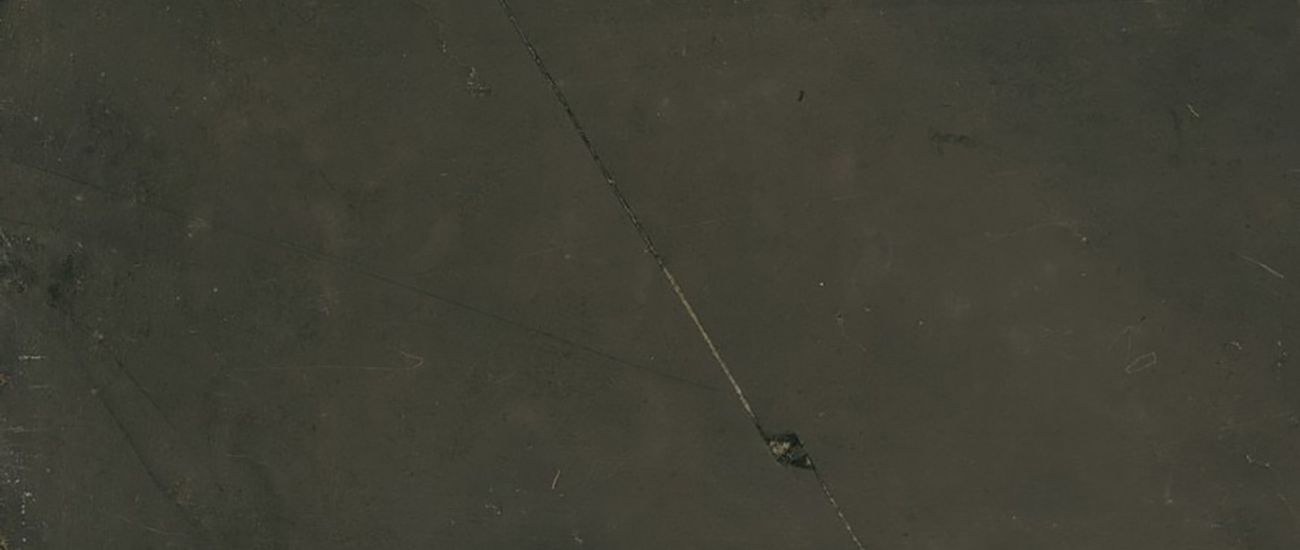
Item 1 of 1
Properties
Properties of the Stone
Additional Names
Nero Antico
Color
Black
Scientific Classification
Limestone
Commercial Classification
Marble
Quarry Site
Jebel Aziza-Tunisia
Quarry State
Inactive
Quarry Site and Nomenclature
Tunisian Black Marble, extracted from the ancient quarries of the Jebel Aziza region in Tunisia between the 1st and 3rd centuries, is a sedimentary rock classified as ‘Limestone.’
Highly esteemed for its luxury and elegance, Tunisian Black Marble was highly prized during the Roman Empire and was known among Italian stone masons as ‘Nero Antico’ (Ancient Black).
Aesthetic Qualities and Usage Areas
This stone was extensively used in prominent Roman buildings, including temples, public baths, and imperial palaces. Its striking appearance made it a favored material for columns, floorings, sculptures, and various other decorative details. In Rome, notable examples of Tunisian Black Marble can be seen in the Pantheon and Trajan Column. In Istanbul, the Kalenderhane Mosque features some relief figures made of this material found on interior walls.
Historical Buildings
Buildings using this stone
_276x160.jpg)
Item 1 of 1