Fragments of another statue were unearthed at the Antikythera shipwreck
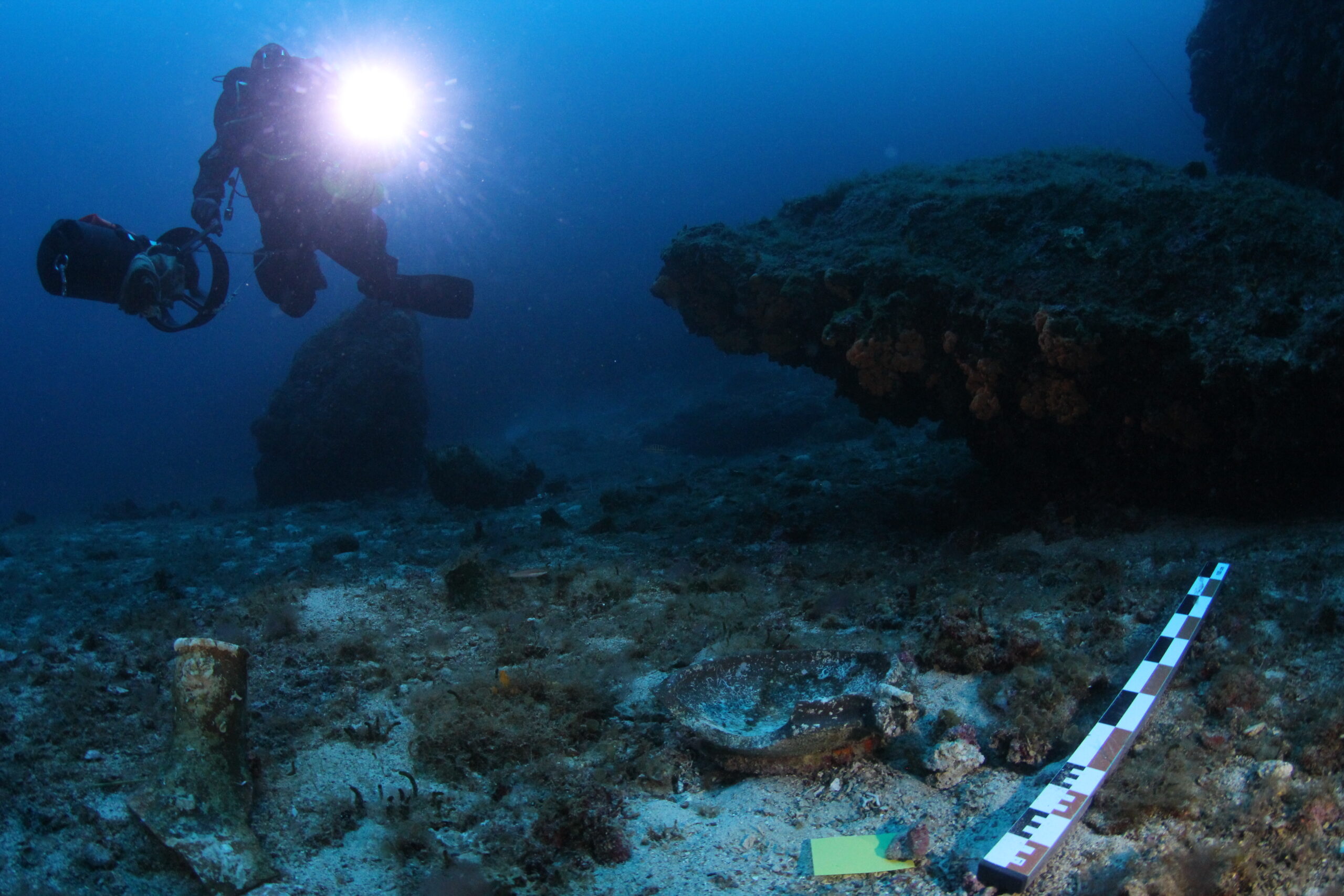
The 2025 excavation campaign at the famous Antikythera shipwreck, which took place between May 23 and June 20, has revealed new and interesting discoveries about key aspects of ancient Mediterranean maritime history. One of the most significant findings of this season confirms the use of the shell-first construction method, characteristic of the Mediterranean between the 4th and 1st centuries BC, where the outer hull was assembled before the internal structures in shipbuilding. This year, three outer planks connected to the inner frame (which was discovered in 2024) were excavated intact.
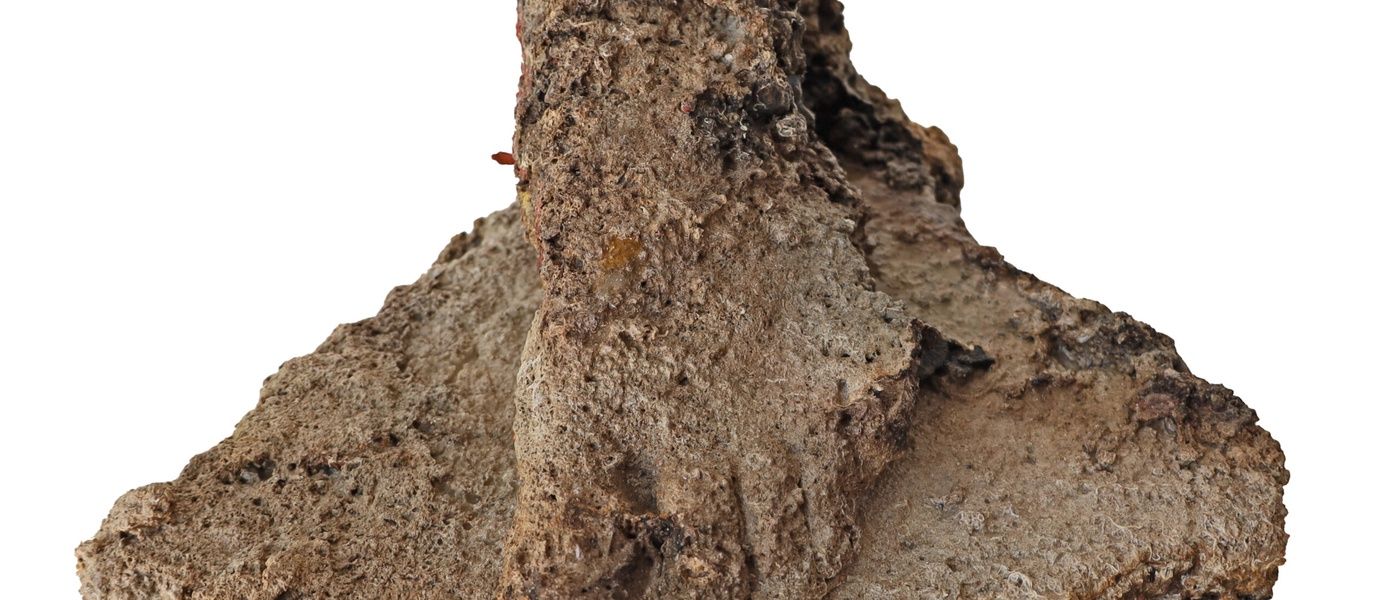
The excavation work also brought an unexpected but partial artistic discovery. During the removal of a rock, small pieces of a nude male statue in a contrapposto pose emerged. The pieces were documented in situ before being brought to the sea surface. However, only a marble plinth protecting the lower part of the statue's left leg was salvaged, while other fragments were trapped in hardened shells, forcing their removal to be postponed to future interventions.
The shipwreck's diverse cargo suggests a greater variety than previously believed.
Systematic documentation through 3D photogrammetry, integrated with a geographic information system (GIS), further enriched the shipwreck's digital archive, which also includes data from previous expeditions. The results of the 2025 expedition reinforce the Antikythera shipwreck's status as a remarkable window into the past and raise new questions about marine engineering, maritime trade, and daily life in antiquity.
Photos and Source: Swiss School of Archaeology in Greece (ESAG)
What is the Antikythera shipwreck?
The Antikythera wreck (Greek: ναυάγιο των Αντικυθήρων, romanized: navágio ton Antikythíron) is a Roman-era shipwreck dating from the second quarter of the 1st century BC.[1] It was discovered in 1900 by sponge divers off the coast of Cape Glyphadia on the Greek island of Antikythera. From the wreck, numerous sculptures dating to the fourth century BC, coins, lead sounding weights, lyres, glassware, and other artifacts were recovered, as well as the severely corroded remains of the Antikythera mechanism, considered the oldest known analog computer in the world.
By mid-1901, sponge divers working with the Greek Ministry of Education and the Royal Hellenic Navy had salvaged thirty-six marble statues, including Hercules, Odysseus, Diomedes, Hermes, Apollo, and three marble horse statues (the fourth was dropped during the salvage and lost to the seabed). The shipwreck remained untouched until 1953, when the French naval officer and explorer Jacques Cousteau made a brief visit and relocated the site.[6]Cousteau returned with a full team in the summer and autumn of 1976 upon the invitation of the Greek government. As a result of the work of the team led by archaeologist Lazaros Kolonas, approximately 300 artifacts were recovered, helping to more effectively date the wreck. A comprehensive five-year research program began in 2021 and found additional artifacts, including a marble statue head that is likely the missing head of a Hercules statue salvaged from the same area in 1902. These ancient artifacts, works of art, and pieces of the ship are currently on display in the Athens National Archaeological Museum.
Marble statues are claimed to be copies of previous works from the Hellenistic period. However, it is likely that the sunken cargo ship was heading to Rome or another location in Italy with looted treasures to support a victory parade. It is also considered possible that the cargo was collected on the order of a wealthy Roman patron.
Source: https://en.wikipedia.org/wiki/Antikythera_wreck
The Heracles of Antikythera
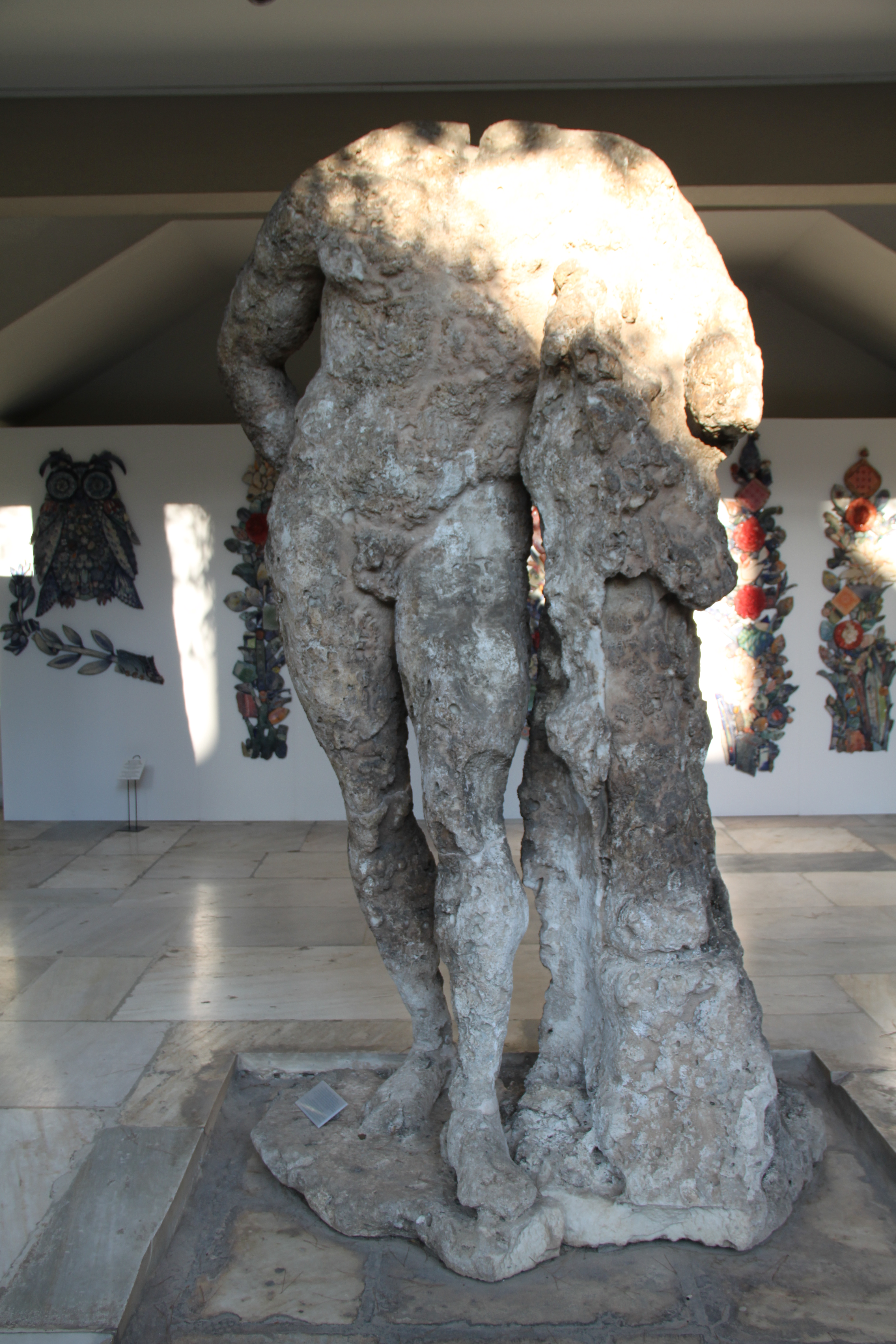
The Heracles of Antikythera (Greek: Ηρακλής των Αντικυθήρων) is a large Ancient Greek marble statue found among several other finds in the Antikythera wreck and currently on display at the National Archaeological Museum of Athens. It was gradually unearthed; its discovery occurred in several stages: the body was uncovered in 1901 by divers exploring the Antikythera wreck, its left hand was found in 2016, and its (presumed) head was found in 2022. The body is 2.50 m high, and the free-standing head measures 65 cm, making it a colossal statue.
Source: https://en.wikipedia.org/wiki/Heracles_of_Antikythera
Photo: Gary Todd from Xinzheng, China - Ancient Greece Marble from the Antikythera Shipwreck
Recent News
Street unearthed in Aspendos
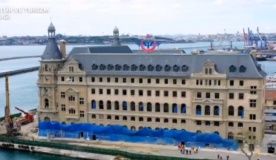
Restoration of Haydarpaşa Station continues
#Haydarpaşa Train Station #Lefke Stone (sandstone) #Hereke Granite
Stoneline Publications’ third book: SELİMİYE

Sümela Monastery reopened to visitors

International Mustafa V. Koç Underwater Archaeology Symposium
#Prokonnesos quarry #Verde Antico #Marmor Docimium, Pavonazzetto, Afyon Violet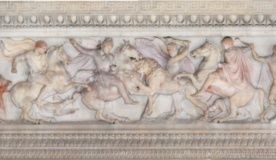
The Granikos Battlefield has been placed under protection
#Marmara marble #Prokonnesos marble #Granikos Battle
The Second Edition of Mimarlar İçin Doğal Taş Rehberi and the English Edition, Natural Stone Guide for Architects, Have Been Published
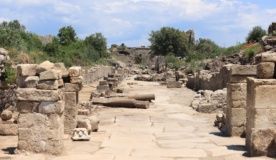
One of the main streets of Ancient Side has been unearthed
#conglomerate #Side Ancient City #Feriştah Alanyalı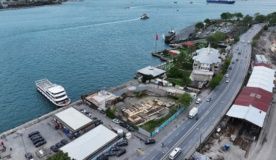
The historic Yalı Pavilion is to be reconstructed
The theme of the Edirne Biennial: Bridges