New mosaics found in the ancient city of Olympos
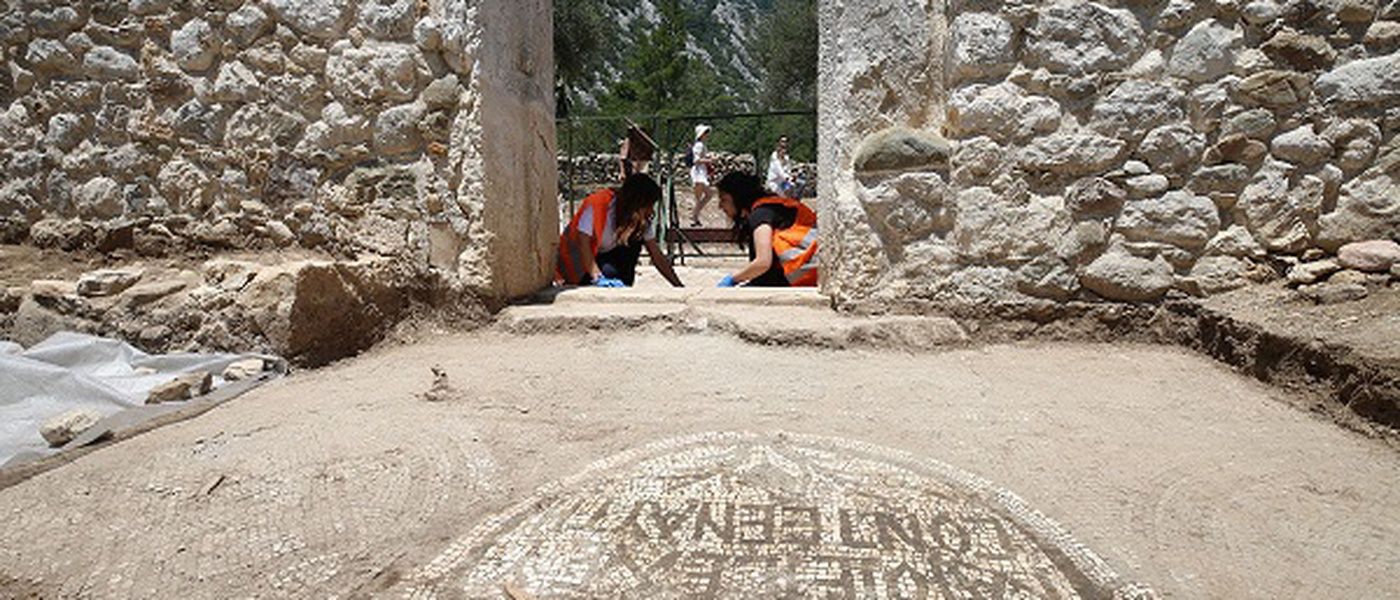
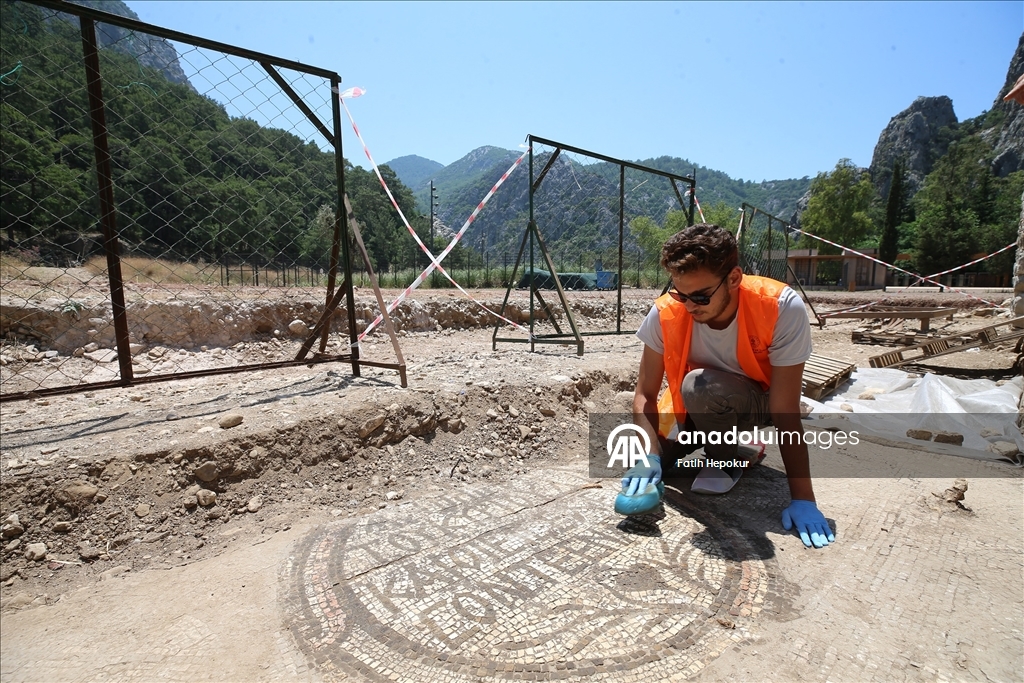
Excavations that began in 2006 at the Olympos Ancient City in Kumluca district of Antalya, which contains remnants from the Hellenistic, Roman, and Byzantine periods, have been continuing uninterruptedly for 12 months in the last 4 years. In the studies conducted last year, a new mosaic area was uncovered on the floor of Church No. 1, along with a mosaic inscription at the entrance of the church.
So far, structures such as Church No. 1 and 3, the entrance complex, the Bishopric Palace, a bridge, the Lykiarkes Marcus Aurelius Arkhepolis Monument Tomb, a mosaic building, the Antimakhos Sarcophagus, and the port monumental tombs have been identified in the ancient city, and work continues to reveal the historical fabric.
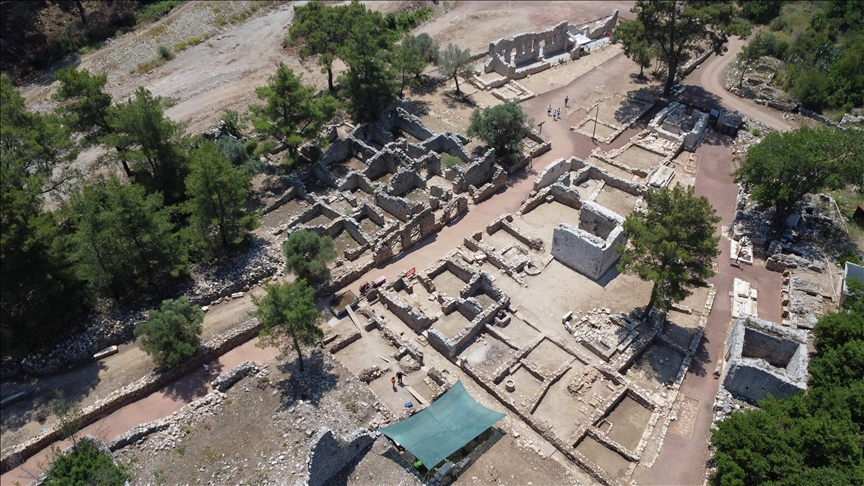
Excavation leader and Pamukkale University Faculty of Humanities and Social Sciences Faculty Member Assoc. Dr. Gökçen Kurtuluş Öztaşkın, stating that they discovered a new mosaic area and inscription in 2024 as in previous years at Olympos, told an AA correspondent, 'Olympos is a city that surprisingly greets us with its mosaics. In 2022, 2023, and previously in 2017, we encountered mosaic floors with very rich decorations in the spaces we worked. In 2024, we found and uncovered the floor mosaics of the No. 1 Church.'
Öztaşkın explained that they encountered geometric and plant motifs as well as inscriptions in the mosaics of both the additional space and the main space of the church, and that one of the inscriptions is right in the church.
Öztaşkın, drawing attention to the inscription on the mosaic that says "only those on the right path can enter here," stated, 'It is a mosaic inscription positioned right at the entrance of the church. Additionally, mosaics with the names of the patrons have been discovered. When we consider the entire Olympos in the Lycia region, it becomes clear that this is truly a city rich in mosaic floor coverings.'
Öztaşkın mentioned that this year they will continue their work in the necropolis areas in the western part of the city, monumental structures such as the temple, episcopal palace, and Church No. 3 in the city center. He noted that they plan to complete the studies in the northern section of the city within the next 2 years and then focus their work on the southern section.
Excavation director Öztaşkın added that they seized pits (storage jars) in their work in the civilian settlement area this year, and the artifacts found in the city are exhibited at the Antalya Archaeology Museum.
Source: AA
Recent News
Street unearthed in Aspendos
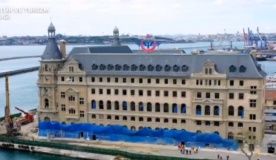
Restoration of Haydarpaşa Station continues
#Haydarpaşa Train Station #Lefke Stone (sandstone) #Hereke Granite
Stoneline Publications’ third book: SELİMİYE
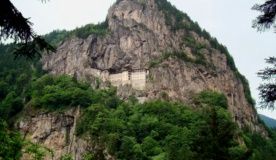
Sümela Monastery reopened to visitors
International Mustafa V. Koç Underwater Archaeology Symposium
#Prokonnesos quarry #Verde Antico #Marmor Docimium, Pavonazzetto, Afyon Violet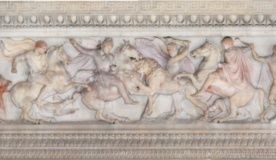
The Granikos Battlefield has been placed under protection
#Marmara marble #Prokonnesos marble #Granikos Battle
The Second Edition of Mimarlar İçin Doğal Taş Rehberi and the English Edition, Natural Stone Guide for Architects, Have Been Published
One of the main streets of Ancient Side has been unearthed
#conglomerate #Side Ancient City #Feriştah Alanyalı
The historic Yalı Pavilion is to be reconstructed
The theme of the Edirne Biennial: Bridges