The Kibyra Mosaics have reopened for the new season
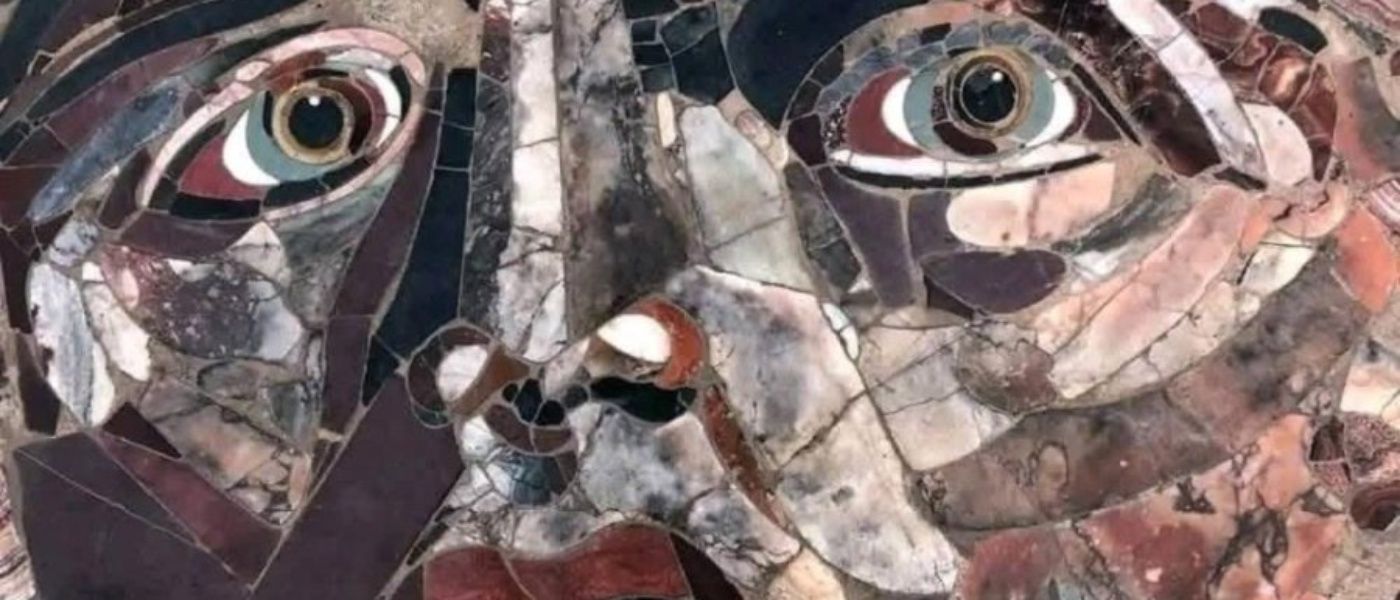
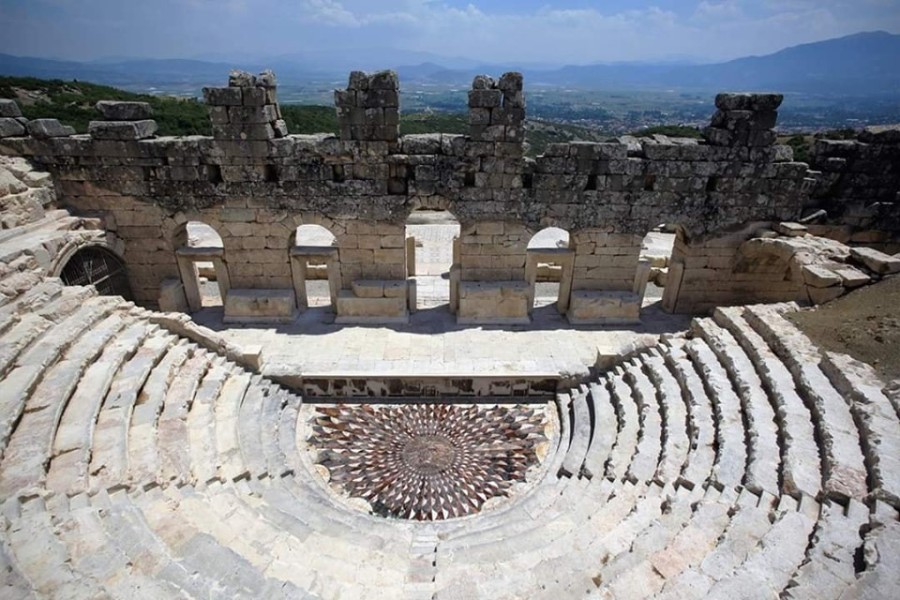
The ancient city of Kibyra, known as the ‘City of Gladiators’ and listed on UNESCO’s Tentative List of World Heritage Sites, is situated on three dominant hills separated by deep ravines in the Horzum neighbourhood of Gölhisar district, Burdur. The Medusa Mosaic at the heart of the 3,600-seat Odeon, which had been covered with special layers to protect it from adverse weather conditions throughout the winter season, and the floor mosaic of the Stoa have been reopened to visitors.
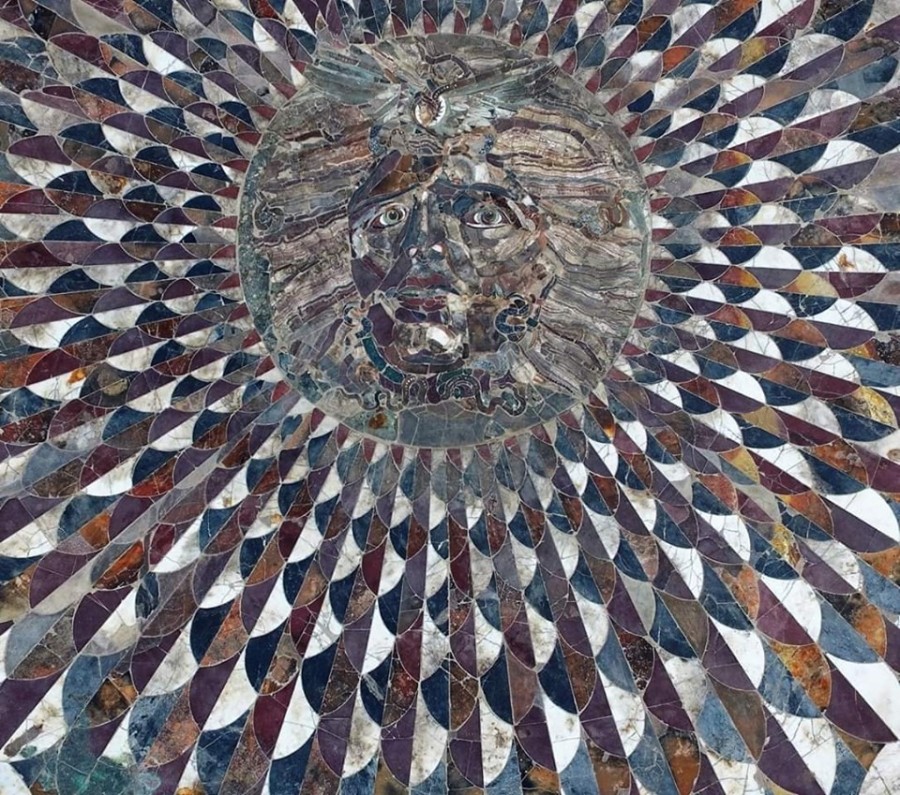
The Odeion of the Olympeion at Kibyra, with a capacity of 3,600 people, is one of the most magnificent structures of Ancient Anatolia. The Medusa Mosaic, located at the very centre of the building and covering the orchestra floor, is made of red, green and white marble; with her hair formed of snakes and her gaze capable of turning people to stone, it is unique in Anatolia. The floor of the Odeion Stoa is paved with opus tessellatum mosaics. These mosaics were covered in late November 2025 to protect them from the weather.
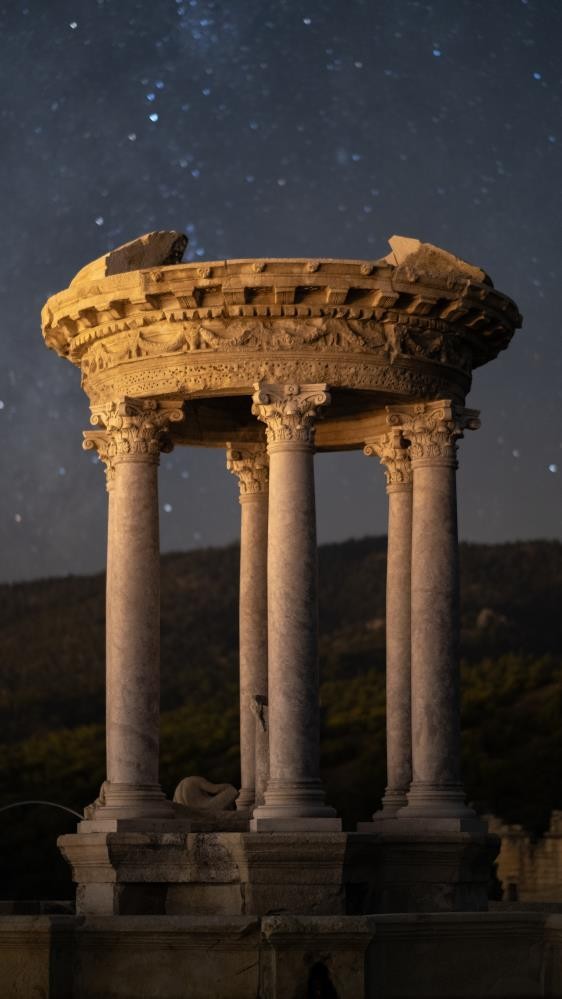
Water has been brought to the Monumental Fountain from its original source.
In Kibyra, the only development for the new season is not limited to the Medusa Mosaic. The monumental circular fountain (Tholos Nymphaion), one of the ancient city’s most magnificent structures, has been restored. The fountain has regained its ancient appearance as water from its original source has begun to flow once more.
Prof. Dr. Şükrü Özüdoğru, Director of the Kibyra Ancient City Excavations and a lecturer in the Department of Archaeology at Mehmet Akif Ersoy University, stated in a social media post: “The Kibyra Medusa Mosaic and the Odeion Stoa Floor Mosaic, which had been covered over during the winter months to protect them from the weather, have now been uncovered, and will be open to visitors until the end of November 2026.”
Photos and Sources: AA/Hale Pak, @kibyrakazisi Instagram page
Recent News
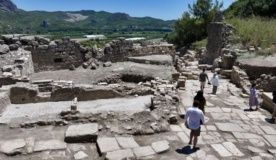
Street unearthed in Aspendos
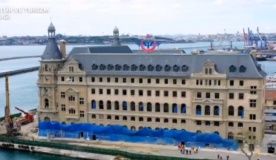
Restoration of Haydarpaşa Station continues
#Haydarpaşa Train Station #Lefke Stone (sandstone) #Hereke Granite
Stoneline Publications’ third book: SELİMİYE
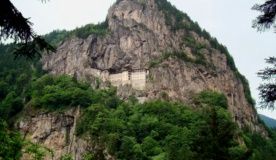
Sümela Monastery reopened to visitors
International Mustafa V. Koç Underwater Archaeology Symposium
#Prokonnesos quarry #Verde Antico #Marmor Docimium, Pavonazzetto, Afyon Violet
The Granikos Battlefield has been placed under protection
#Marmara marble #Prokonnesos marble #Granikos Battle
The Second Edition of Mimarlar İçin Doğal Taş Rehberi and the English Edition, Natural Stone Guide for Architects, Have Been Published
One of the main streets of Ancient Side has been unearthed
#conglomerate #Side Ancient City #Feriştah Alanyalı
The historic Yalı Pavilion is to be reconstructed
The theme of the Edirne Biennial: Bridges