The Mor Kiryakus Monastery Will Become a Monument Museum.
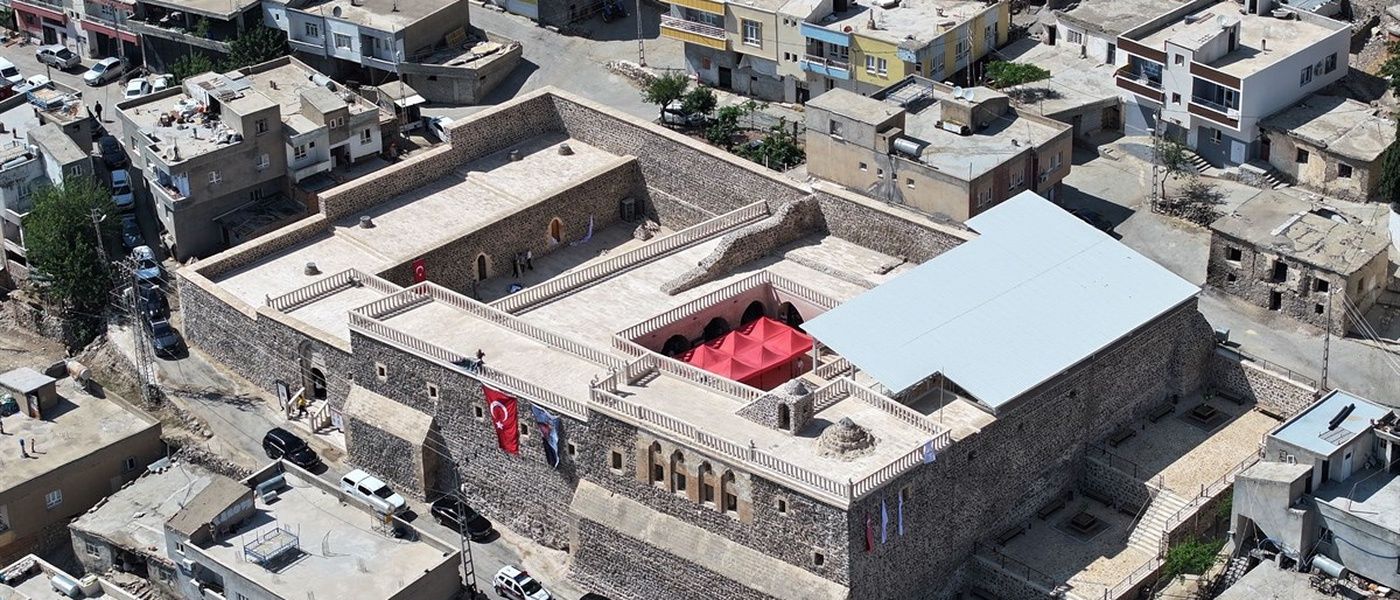
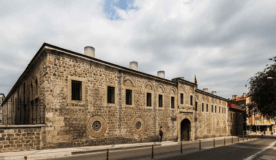
The restoration of the two-story (on the ground) monastery, built in the 5th century by Syriac Christians on a 2,500-square-meter area in the village of Ayrancı, at the foot of Kıra Mountain, has been completed in three phases. It is stated that the word mor in the name of the monastery, which was built using cut limestone, rubble basalt, and black basalt stone (1), means saint in Syriac Christianity(2a), and the place the monastery built was the tomb of Saint Kuryakos and his mother Yuliti(2b). On the other hand, the reason for calling the monastery Deraqira has been attributed to many reasons. Some attribute it to the blackness of the basalt stone used in the structure, some to the cries of the people who used the structure, some to the nearby Kıra Mountain, and some to the black basalt stones used in the structure (Şimşek, 2008:440).
The first phase of the monastery's restoration, which began with cleaning work in 2017, was carried out with the financing of the Dicle Development Agency, the second phase by the Provincial Special Administration, and the third phase by the Ministry of Culture and Tourism.
In the first phase of the restoration, the entrance gate of the monastery, the entire southern facade, the tomb chamber and the eastern facade of the tomb chamber, and all the rooms on the second floor were renovated. In the second phase, the surrounding wall was built, and the church space and the central courtyard were restored. In the third phase, a tourism reception area, landscaping, and landscaping work were carried out.
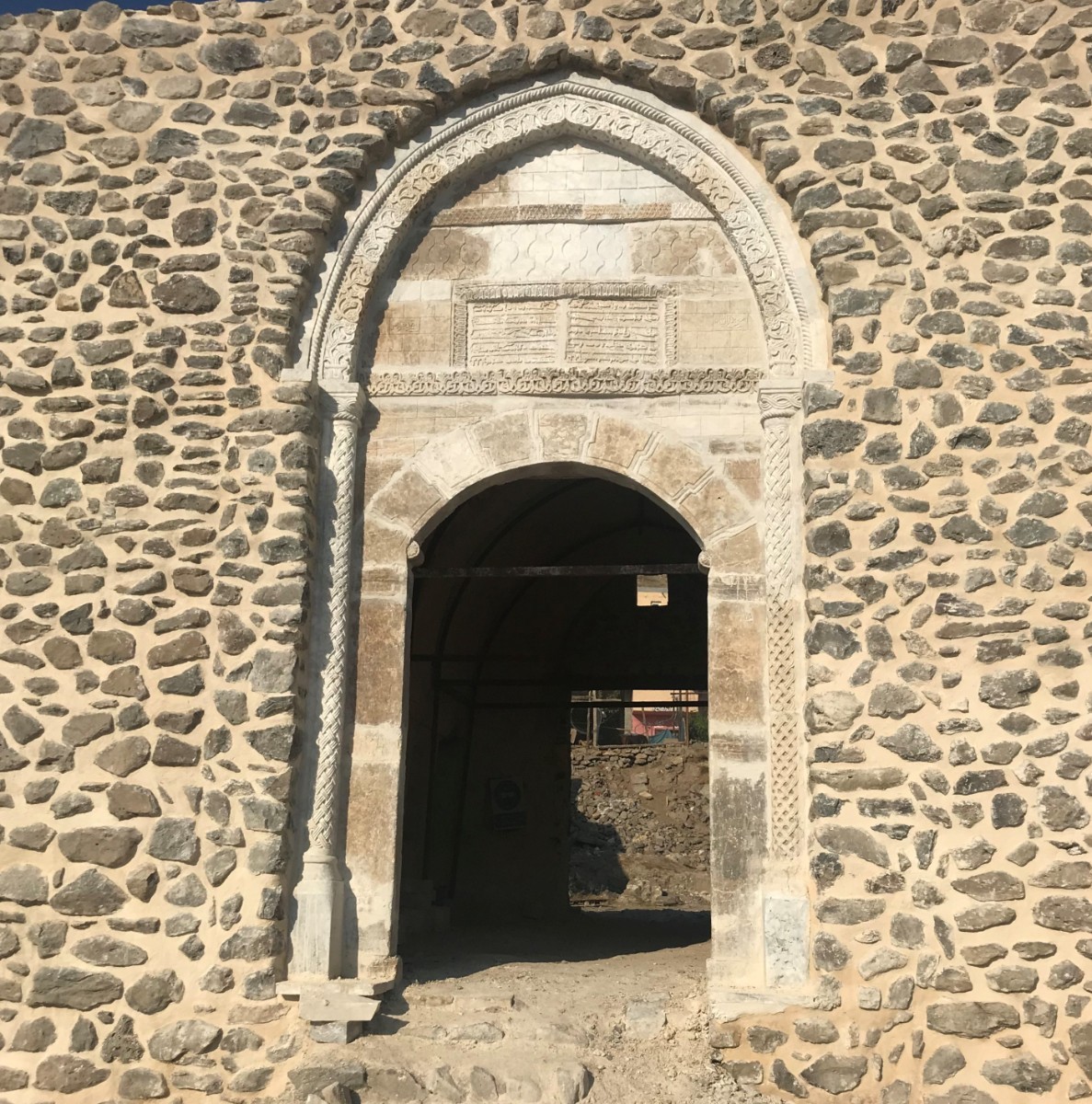
Mor Kiryakus Monastery, located at the furthest point of the Turabidin region, which is considered sacred by Syriac Christians, holds a significant place among the nearly 80 churches and monasteries in the area. According to the Batman Provincial Directorate of Culture and Tourism, there are two stone inscriptions in Syriac, one on the main entrance gate and another on the arched gate dividing the inner courtyard into two sections. The first inscription mentions a person named Salibo from Aleppo, but provides no information about the monastery's construction date.
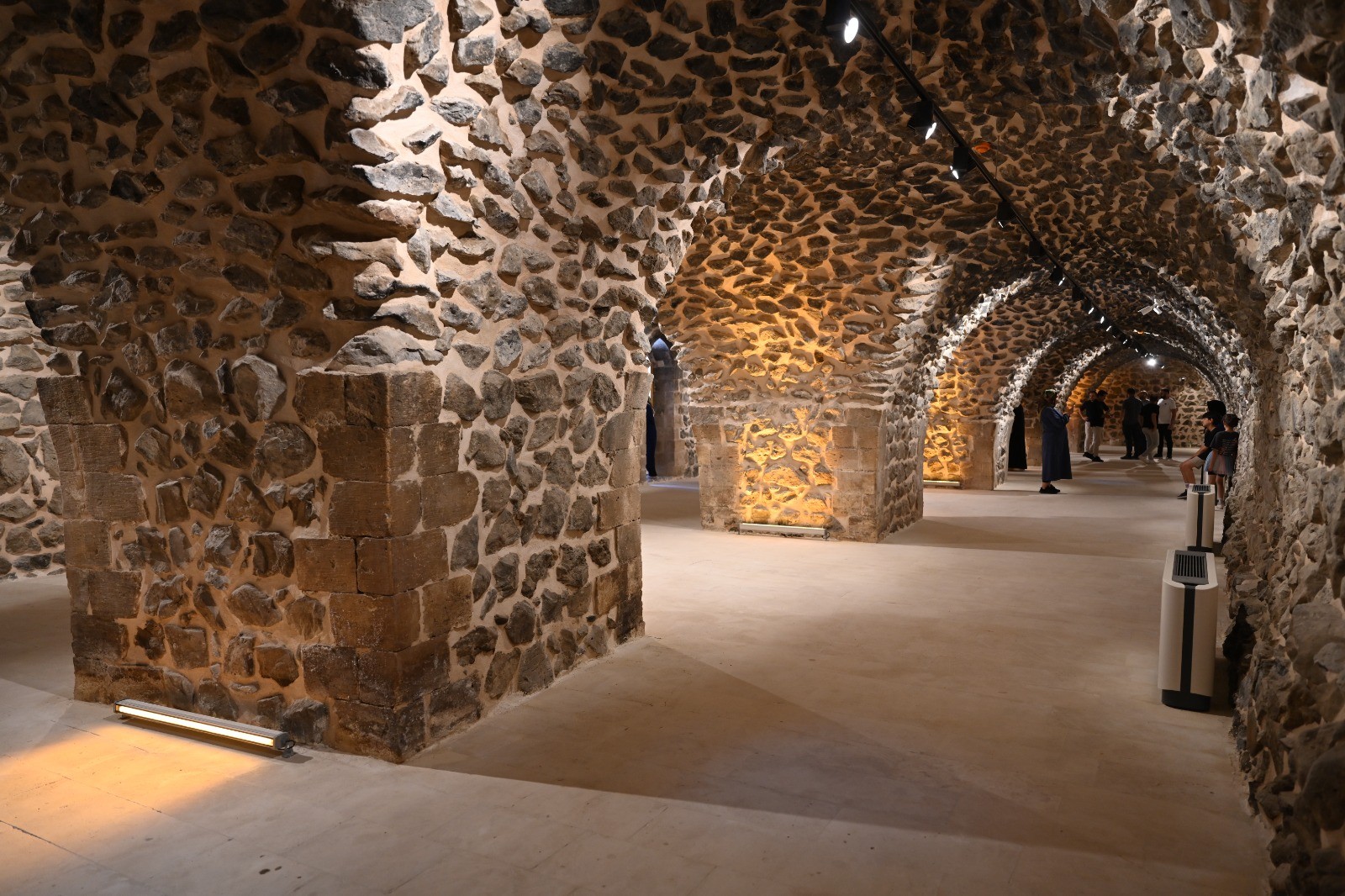
Missionary monks who came from Aleppo to the Turabidin region in the 4th century, baptizing people and Christianizing them, made it a tradition to establish monasteries on hills and rocks overlooking the North Mesopotamian Plain. Mor Kiryakus Monastery, built on the eastern slope of Kıra Mountain facing the North Mesopotamian Plain, is assumed to be a product of such a thought. However, it is an important work in terms of being one of the region's first monasteries and paving the way for the opening of new monasteries after its construction. Mor Kiryakus monastery is a three-story structure with an underground floor extending into tunnels. From the outside, it has a rectangular plan, and from the inside, it has a wide two-square-planned enclosed courtyard with rooms behind arched buttresses surrounding this courtyard. Particularly, the octagonal segmented stone dome forming the ceiling of the room used as the Monastery Patriarch's bedroom, with its starry crosses in its architectural structure, has a superior artistic value (3).
The pre-restoration condition of the structure was addressed within the architectural and art history discipline by Rojat Aksoy Işık and Tahsin Korkut and was published in 2019 with its survey plans.
Notes:
(1) Aksoy Işık, R., Korkut, T., (2019) Mor Kuryakos (Dera Qira) Manastırı'nın Mimari Açıdan Bir Durum Değerlendirmesi, Kadim Akademi Sosyal Bilimler Dergisi, C. 3, S. 2, s. 40-62. (https://www.academia.edu/41451980)
(2a) The word “Mor” is a title of respect in Syriac Christianity, and the title is placed before the Christian names of the saints. https://en.wikipedia.org/wiki/Mar_(title)https://en.wikipedia.org/wiki/Mar_(title)
(2b) Şimşek, M. (2008). Batman Mor Kuryakos Manastırı’nın Dünü ve Bugünü, Batman: I. Uluslararası Batman ve Çevresi Tarihi ve Kültür Sempozyumu.
(3) Batman İl Kültür ve Turizm Müdürlüğü
Recent News
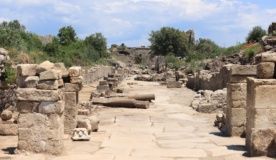
Street unearthed in Aspendos
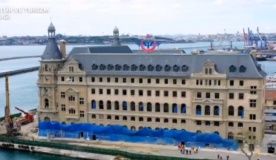
Restoration of Haydarpaşa Station continues
#Haydarpaşa Train Station #Lefke Stone (sandstone) #Hereke Granite
Stoneline Publications’ third book: SELİMİYE
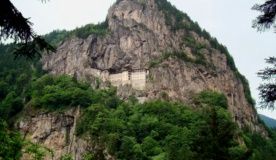
Sümela Monastery reopened to visitors
International Mustafa V. Koç Underwater Archaeology Symposium
#Prokonnesos quarry #Verde Antico #Marmor Docimium, Pavonazzetto, Afyon Violet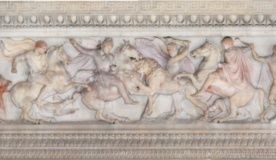
The Granikos Battlefield has been placed under protection
#Marmara marble #Prokonnesos marble #Granikos Battle
The Second Edition of Mimarlar İçin Doğal Taş Rehberi and the English Edition, Natural Stone Guide for Architects, Have Been Published
One of the main streets of Ancient Side has been unearthed
#conglomerate #Side Ancient City #Feriştah Alanyalı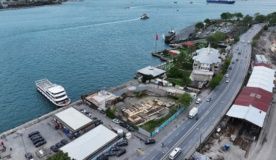
The historic Yalı Pavilion is to be reconstructed
The theme of the Edirne Biennial: Bridges